Why Restaurants Use These Policies
A restaurant is a perishable business. Ingredients are ordered, staff are scheduled, and tables are arranged based on the number of confirmed diners. When a party of four doesn't show up, that table sits empty for an entire service - and the revenue it would have generated is gone forever.
Reservation policies exist to reduce this unpredictability. No-show rates at popular restaurants can run high enough to meaningfully cut into weekly earnings, which is why more venues - especially smaller, independently owned ones - have adopted credit card requirements and cancellation fees. Understanding this context makes the policies feel less adversarial and more like a practical agreement between you and the kitchen.
Policies Vary Widely by Restaurant Type
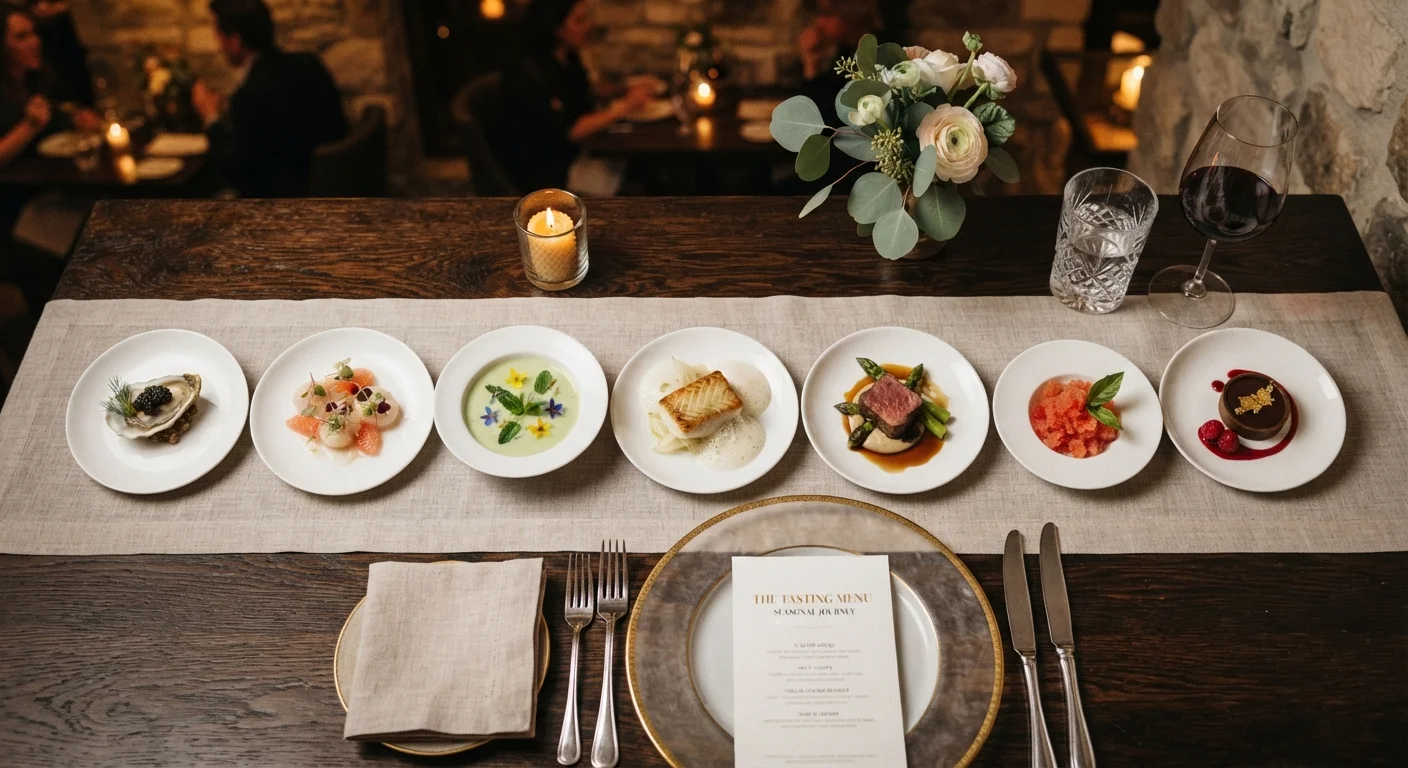
Casual diners and fast-casual spots rarely have formal reservation policies at all. The policies described here apply most directly to full-service restaurants - and especially to intimate, chef-driven, or tasting-menu venues where every seat carries significant operational weight. Always check the specific terms for wherever you're booking.
Credit Card Holds and Deposits Explained
When a restaurant asks for your credit card at booking, they're typically placing an authorization hold - not an actual charge. This hold reserves funds on your card as a form of security, similar to how hotels operate. If you honor the reservation or cancel within the allowed window, no money changes hands.
A deposit is slightly different: it's a real charge, usually a fixed amount per person, applied at booking. That deposit may be credited toward your bill on the night, or it may be non-refundable if you cancel late. Some tasting-menu restaurants go a step further and collect full prepayment because every course is planned around confirmed headcounts. See our guide to tasting menus for more on how those experiences work.
20%
Average no-show rate at U.S. restaurants
Industry estimates commonly cited by restaurant trade groups suggest no-show rates often reach 20% or higher, particularly at high-demand venues.
48 hrs
Typical cancellation window at fine dining venues
A 48-hour cancellation deadline is common among mid-to-upscale U.S. restaurants that require advance reservations.
$25-$50
Common per-person no-show fee range
Many tasting-menu and reservation-required restaurants charge this amount per guest for uncanceled reservations, reflecting actual prep and labor costs.
Understanding Cancellation Windows
The cancellation window is the deadline by which you must cancel to avoid a fee. Common windows are 24, 48, or 72 hours before the reservation time. The finer or smaller the restaurant, the longer the window tends to be - because they have fewer tables to redistribute and less time to fill the slot.
If you need to cancel, do it through the same channel you used to book - whether that's a reservation platform or the restaurant's phone number. Calling directly is often the fastest path to flexibility, especially if your reason is a genuine emergency. Most hospitality professionals understand life happens; the key is communicating early rather than simply not showing up.
When in Doubt, Call the Restaurant
Reservation platforms handle cancellations efficiently, but if you're near the deadline or have special circumstances, calling the restaurant directly gives you the best chance of a fair outcome. A brief, honest conversation is almost always more effective than canceling through an app at the last moment.
What Party Size and Timing Commitments Mean
When you book for six, the host staff sets a table for six, the kitchen plans for six, and the server's section is adjusted accordingly. Arriving as eight puts the entire operation under strain. If your group size changes - in either direction - call ahead. Restaurants almost always prefer to know.
Some venues also enforce arrival windows, meaning your table may be released if you haven't arrived within 10 to 15 minutes of your reservation time. This protects the kitchen's timing and other diners' experiences. If you're running late, a quick phone call goes a long way. For those dining alone, this is worth noting too - solo diners sometimes worry about holding a two-top unnecessarily, but a solo dining experience is entirely welcome at most restaurants when booked appropriately.
How to Navigate Policies as a Diner
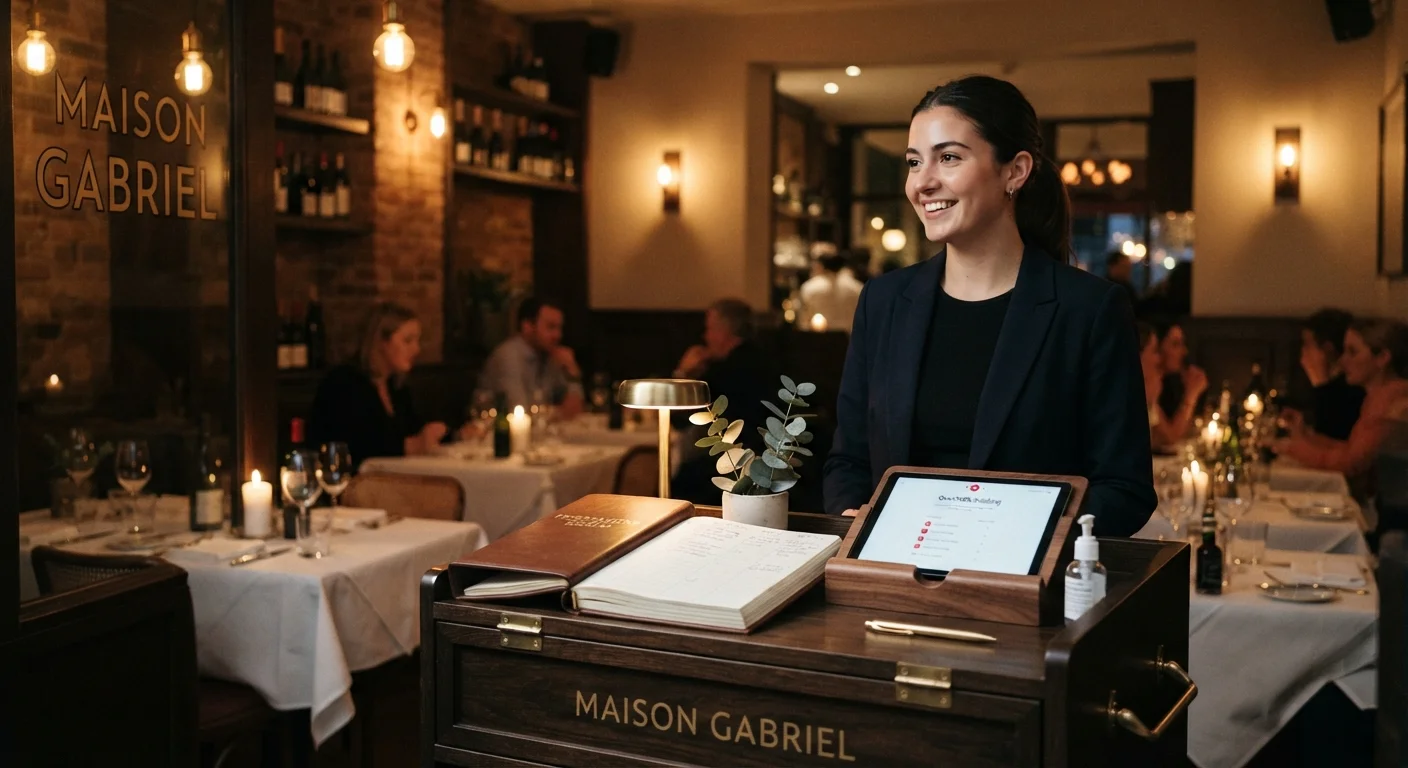
Read the policy before you confirm. Reservation platforms display terms at checkout, and restaurant websites usually list their policies on the bookings page. Take 30 seconds to understand what you're agreeing to - including any fees and the cancellation deadline.
Keep confirmation emails or texts, which typically include the cancellation deadline and contact information. If your plans are uncertain, consider booking closer to the date when you have more clarity, rather than booking early and canceling repeatedly. Before you sit down, you may also want to think through other practical questions - our piece on questions worth asking your server can help you feel fully prepared once you arrive.