Why Asking Questions at a Restaurant Is Always a Good Idea
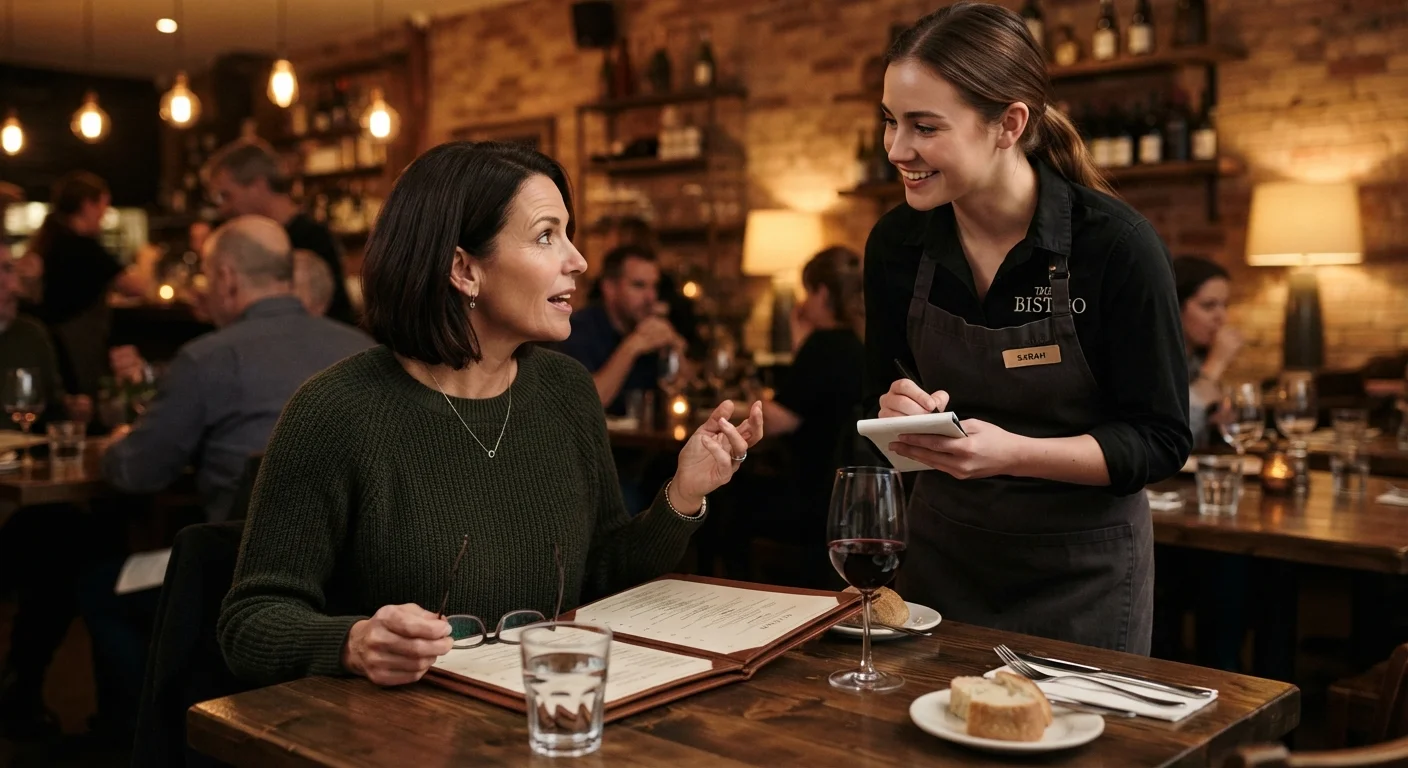
Most diners scan the menu, make a quick decision, and hope for the best. But your server is one of the most underused resources at any restaurant. They know what just came in fresh, what the kitchen does especially well tonight, and which dishes might not match what the menu description suggests.
Asking questions isn't a sign of being difficult - it's how experienced diners navigate unfamiliar menus with confidence. Whether you're at a neighborhood bistro or a more formal restaurant, a short conversation before you order can mean the difference between a dish you love and one that misses the mark. And for anyone managing food allergies or dietary needs, that conversation isn't optional - it's essential.
This checklist organizes the most useful questions into logical categories, so you can pick the ones that apply to your situation and ask them naturally, without turning dinner into an interrogation. If you're exploring the beverage side of things, our guide on ordering wine at a restaurant without overthinking it can help you approach that conversation with equal ease.
Food Safety & Dietary Needs
Understanding the Dish
What's Good Tonight
Timing & Pacing
Drinks & Pairings
What to Ask and Why It Matters
Below are the tools and context that make these questions land well. You don't need to be a food expert to ask them - just curious and clear.
The printed menu
Your starting point for identifying dishes to ask about and flagging descriptions that need clarification.
A note on your phone or a small card
Useful for listing allergens or dietary needs clearly so you can show your server rather than relying solely on verbal communication.
A basic understanding of cooking terms
Knowing the difference between braised, sautéed, and raw helps you ask more precise questions and interpret answers correctly.
A few practical notes: servers are often happy to check with the kitchen if they're unsure of an answer, so don't hesitate to ask them to do so. If you have a food allergy, be specific about the allergen rather than just describing your preference - for deeper guidance on that, see our article on food allergy communication at restaurants. And remember that menus change - what was accurate last week may not apply tonight.
Allergy Questions Require Exact Language
If you have a food allergy, always name the specific ingredient - not a category. "I'm allergic to shellfish" is clearer than "I can't eat seafood," and "I have a peanut allergy" is more actionable than "I avoid nuts." Ask your server to confirm with the kitchen directly rather than relying on their memory alone. Even well-intentioned staff may not know every ingredient in a sauce or marinade without checking.
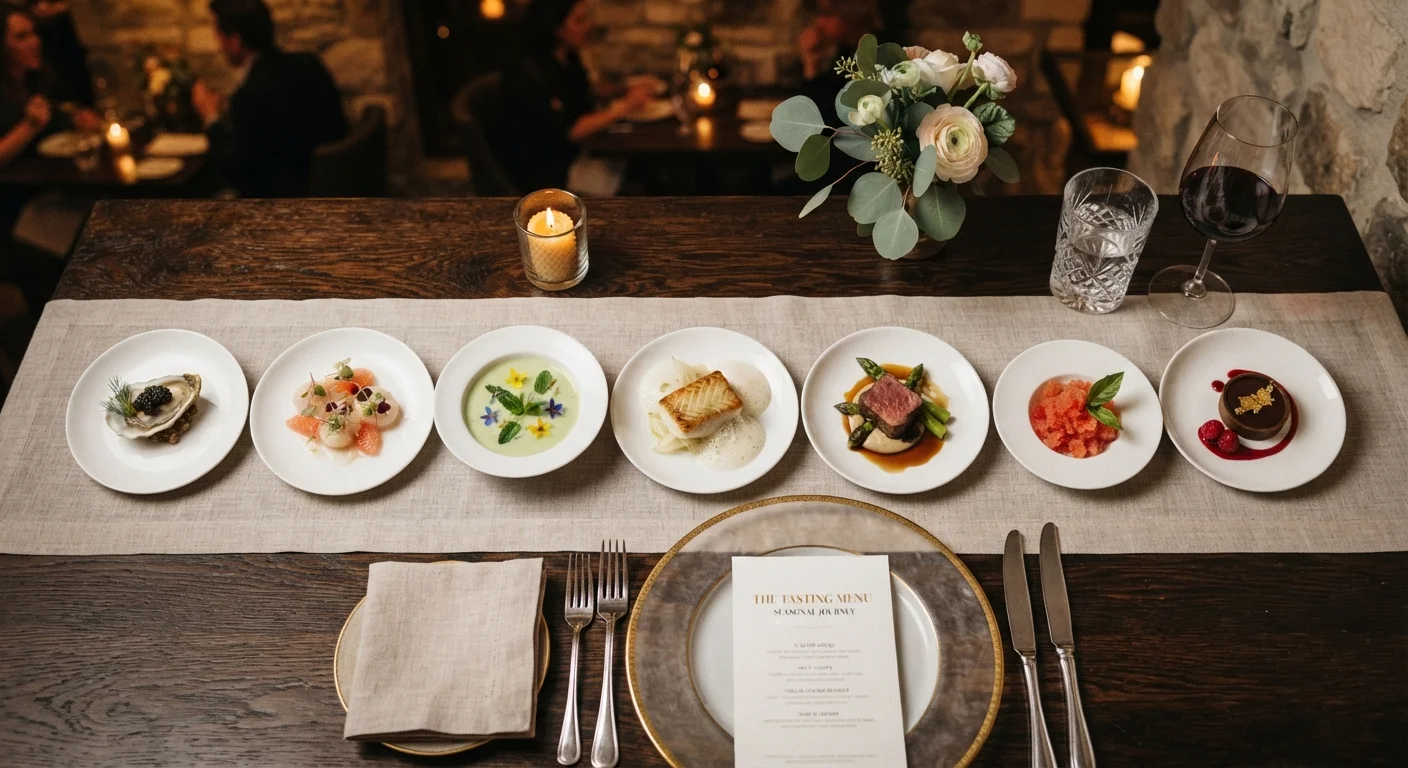
If you're dining somewhere with a prix fixe or tasting menu format, some of these questions become even more important upfront. Our piece on tasting menus decoded walks you through what to clarify before you sit down. For wine-list questions specifically, reading a wine list without anxiety gives you the vocabulary to have that conversation confidently.
Menus Change - Don't Assume Last Time Still Applies
Seasonal menus, chef changes, and supply availability mean a dish you loved six months ago may be prepared differently today. Ingredients, sauces, and even cooking methods can shift without the menu being reprinted. If something matters to you - especially from an allergy or preference standpoint - ask again even if you've ordered it before.