How a Tasting Menu Is Structured
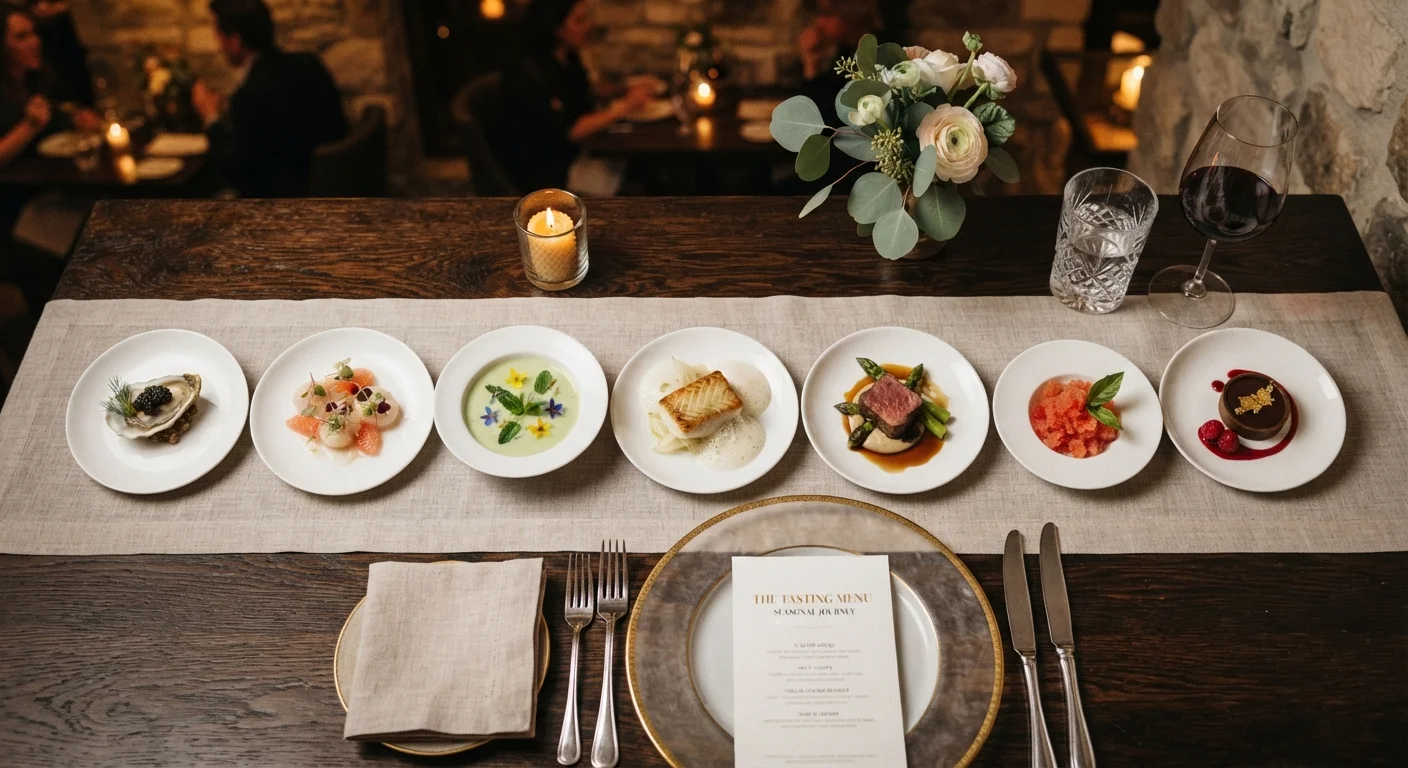
Unlike ordering from a standard menu, a tasting menu removes choice - deliberately. The chef designs a fixed sequence of courses, each portion intentionally small so you can experience many flavors without overcommitting to any single one. Think of it as an edited tour of the kitchen's capabilities.
A typical progression moves from light to rich, following a loose arc: amuse-bouche (a single complimentary bite to open the palate), then cold appetizers, warm appetizers, a fish course, a meat or poultry course, a cheese course, and finally dessert. Some menus insert a palate-cleanser - often a small sorbet or granita - between heavier courses. Not every restaurant follows this exact blueprint, but the underlying logic of building intensity gradually is nearly universal.
The number of courses varies significantly. A five-course menu is approachable for first-timers. Ten to twelve courses is common at ambitious restaurants. Some chef-driven establishments push beyond fifteen, though each individual portion remains quite small. Understanding this upfront prevents the surprise of feeling full by course four.
Amuse-Bouche: One Bite, One Purpose
The amuse-bouche (French for 'mouth amuser') is a single complimentary bite served before the menu officially begins. It's the chef's opening statement - a hint of flavor philosophy before the main progression starts. It's not listed on the menu and is not something you order; it simply arrives.
What to Do Before You Arrive
Preparation makes the difference between feeling confident and feeling caught off guard. When you book - which often needs to happen weeks or even months in advance at popular spots - take care of the following:
- Communicate dietary restrictions: Allergies, intolerances, and strong aversions should be noted at the time of reservation. Kitchens building a tasting menu need lead time. Last-minute disclosures put both the restaurant and you in a difficult position. For detailed guidance on this, see how to communicate food allergies effectively at restaurants.
- Review the cancellation policy: Many tasting menu restaurants require a credit card deposit or charge a cancellation fee per person. Read the fine print before confirming.
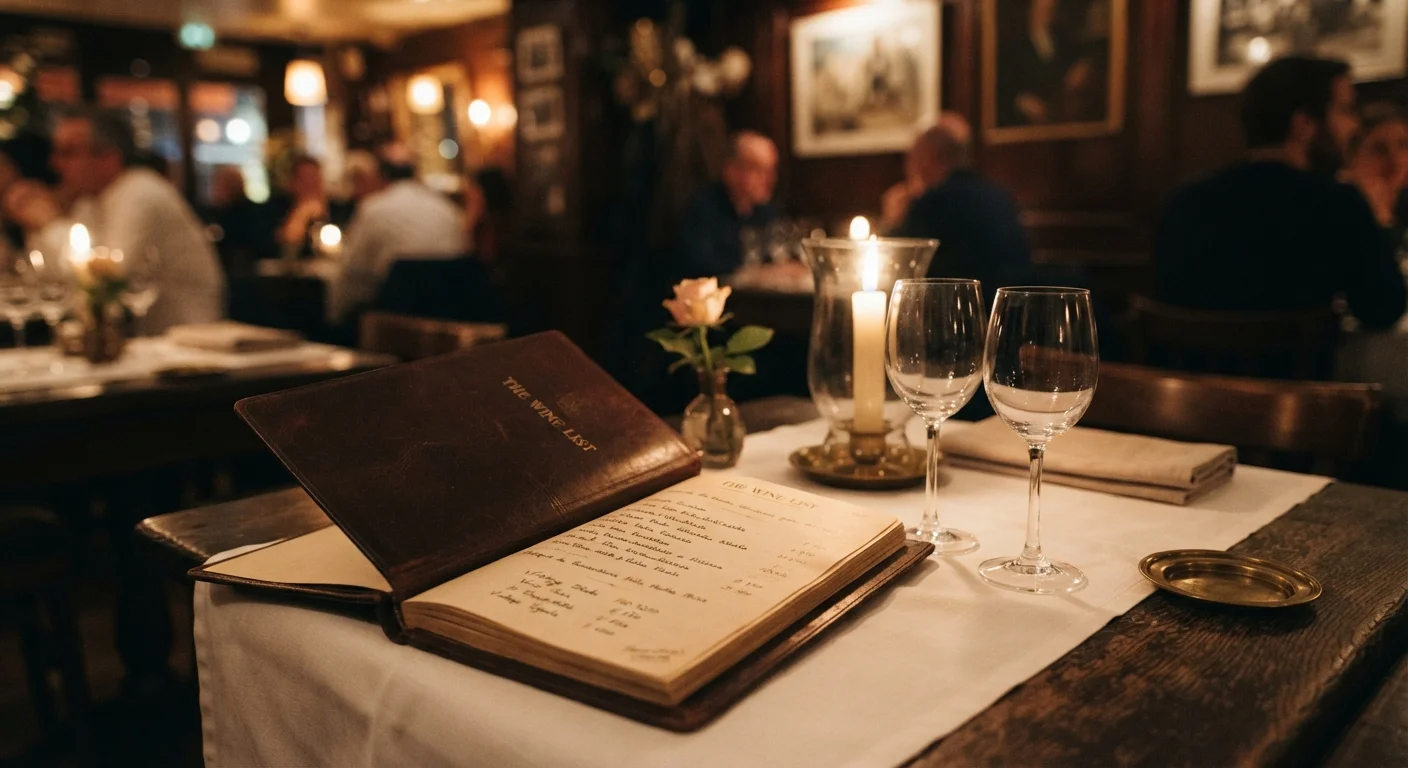
- Decide on beverages in advance: If you're considering a wine or beverage pairing, check the add-on price when booking. Our guide to reading a wine list without anxiety can help you feel prepared.
- Eat lightly beforehand: Arriving genuinely hungry is part of the experience. A large lunch on tasting menu day tends to work against you.
Book Early, Communicate Everything
Tasting menu seatings are limited - some restaurants offer only one or two seatings per evening - so reservations can fill weeks or months out. When you book, treat it like a flight: provide all relevant information upfront (dietary needs, celebration details, seating preferences) so the team can prepare properly. A well-communicated reservation nearly always leads to a smoother experience.
Navigating the Experience at the Table
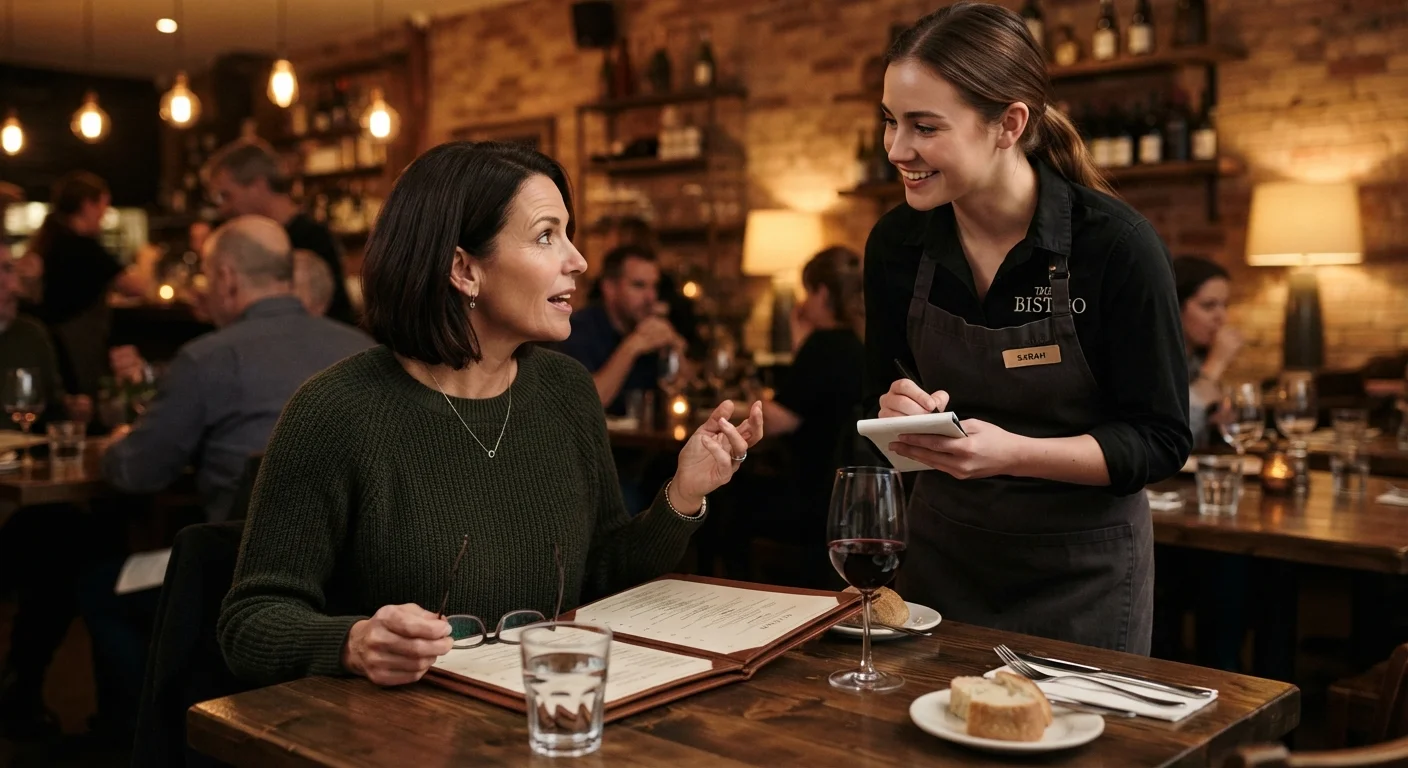
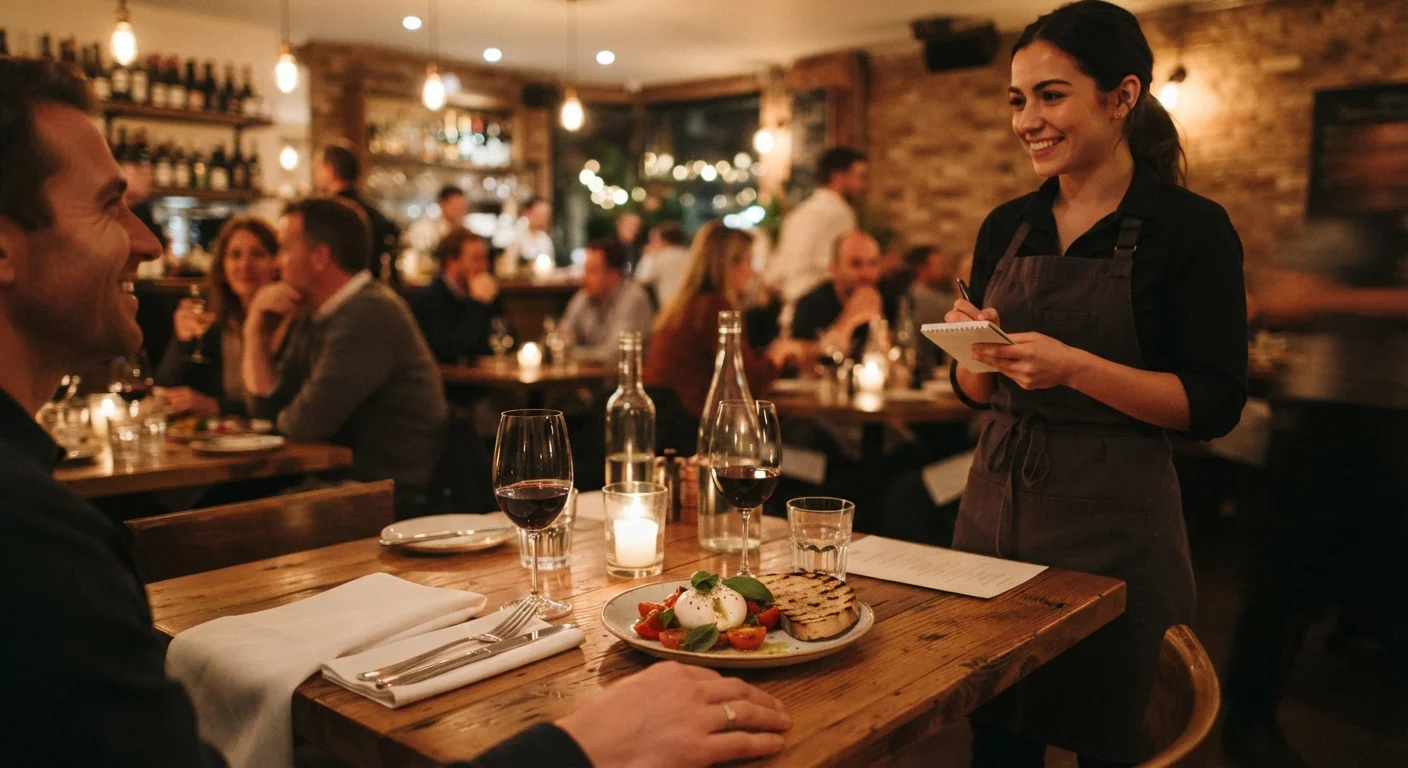
Once seated, the staff will typically walk you through the evening's menu - either verbally or via a printed card. This is a good moment to ask any remaining questions. Curious about a technique or an unfamiliar ingredient? Servers at tasting menu restaurants are usually trained to explain each dish in detail. A good question is always welcome. See questions worth asking your server before you order for ideas on how to engage without overcomplicating it.
Pacing is handled by the kitchen, not the guest. Courses arrive when the team is ready, and the expectation is that you relax into the rhythm rather than rush. This is a meaningful shift from everyday dining - the clock is largely out of your hands.
If a beverage pairing is included, each pour will be presented alongside the course it accompanies, often with a brief explanation. If you'd prefer to order drinks independently, that's entirely acceptable. Ordering wine at a restaurant without overthinking it is a practical resource if you want to navigate the list yourself.
“A tasting menu is a conversation between the chef and the guest. Every course is a sentence; the full menu is the argument. Great ones leave you feeling like you've understood something new about food.”
— Grant Achatz, Chef and co-owner of Alinea, Chicago - widely credited with advancing the modern American tasting menu format
At the end of the meal, many restaurants offer petit fours - small sweets served with coffee or tea - as a closing gesture. The check will reflect the fixed menu price per person, any beverage add-ons, and applicable taxes. Gratuity is almost always expected and sometimes included automatically for larger parties; confirm with your server. For a full breakdown of how after-dinner drink options work, spirits, liqueurs, and digestifs explained is a useful companion.
Is a Tasting Menu Right for You?
A tasting menu is a commitment - of time, budget, and appetite. It's best suited to occasions where the meal itself is the event: a significant birthday, an anniversary, or a deliberate culinary exploration. It's less ideal if you're pressed for time, have strong aversions to large parts of a chef's style, or simply prefer the autonomy of ordering exactly what you want.
For a useful comparison of dining formats, prix fixe vs. à la carte - and when each makes sense explains the key structural differences clearly. Knowing what format fits your mood and plans helps you book with intention rather than guesswork.
5-20+
Typical course count at tasting menu restaurants
The range reflects everything from accessible introductory menus to multi-hour chef's table experiences at destination restaurants.
2-4 hrs
Average duration of a full tasting menu dinner
Industry estimates from fine dining establishments suggest most tasting menus run in this range, with pacing controlled entirely by the kitchen.
Weeks-months
Advance booking lead time often required
Highly sought-after tasting menu restaurants frequently fill reservations far in advance, particularly for weekend seatings.
First-timers often find the experience more accessible than expected - once you understand that you're there to be guided, not tested, the pressure dissolves. The chef has already made the decisions. Your role is simply to pay attention and enjoy the ride.