Where Happy Hour Came From
The phrase "happy hour" has roots in early 20th-century U.S. Navy slang, where it referred to scheduled recreational time for sailors aboard ships. By the mid-20th century, the term had migrated to civilian bar culture, describing the window after the workday when patrons gathered for a drink before heading home.
Today, the concept has evolved well beyond a single drink special. Modern happy hours often function as a strategic business tool: restaurants and bars use them to smooth out revenue across the day, filling seats during the otherwise quiet gap between lunch and dinner service. For guests, it's an opportunity to explore a menu at a lower commitment - both financially and in terms of time.
How Happy Hour Pricing Actually Works
Pricing structures during happy hour fall into a few common formats. Understanding which model a venue uses helps you assess the actual value before you order.
- Flat dollar discounts: A set amount - say, $2 or $3 - knocked off individual drinks. Simple to understand, but the savings depend on the drink's regular price.
- Percentage discounts: Drinks are priced at 25%, 33%, or 50% off. More straightforward to compare across different menu items.
- Fixed happy hour prices: A separate condensed menu where everything is listed at a promotional price, regardless of the regular menu cost.
- Bundled deals: A drink-and-appetizer pairing offered together at a set price, often a better deal than ordering each separately.
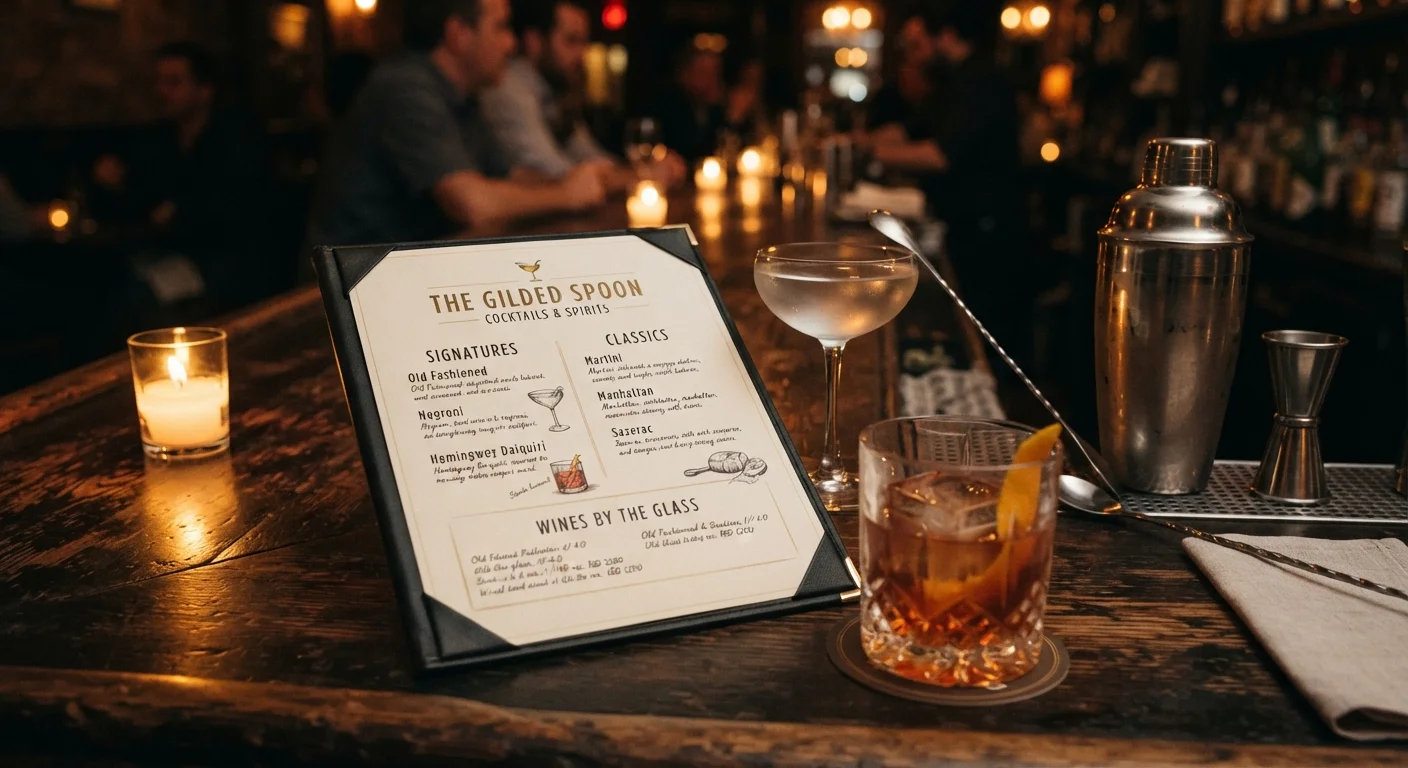
Most venues apply these discounts to a curated list of items - typically house wine, draft beers, and well spirits (the standard-tier liquors used in mixed drinks). If you're curious about the terminology on any drinks menu, our guide to cocktail menu terminology breaks down the common language you'll encounter.
Ask for the Happy Hour Menu Specifically
Many guests assume all drinks are discounted and are caught off guard when the bill arrives. When you're seated or approach the bar, ask directly for the happy hour menu or list of specials. This takes five seconds and gives you a clear picture of what's discounted before you order.
The Role of Food in Happy Hour
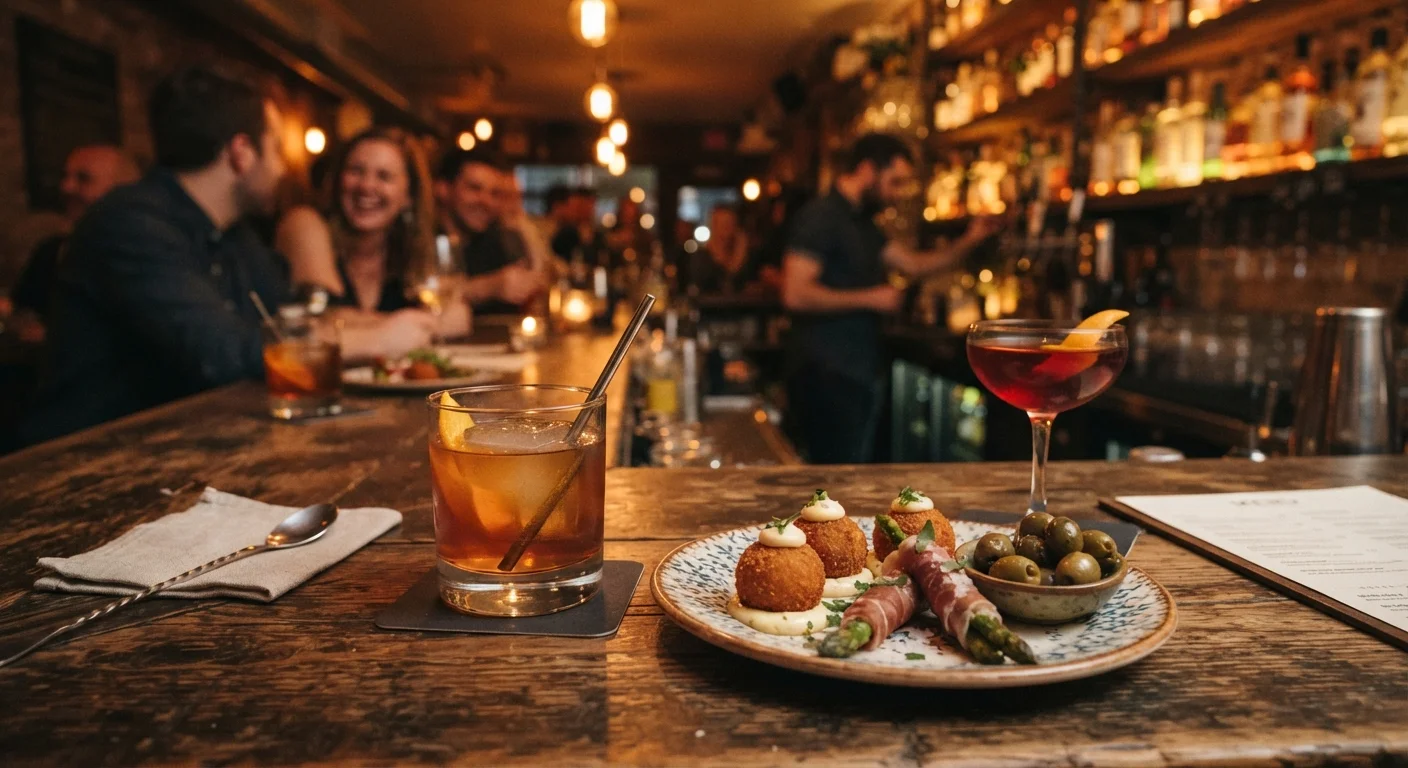
Discounted bites have become a central part of the happy hour offering at many restaurants. Appetizers, small plates, and bar snacks priced at half off or bundled into deals can make the overall experience significantly more valuable - and more satisfying.
From a restaurant's perspective, food during happy hour serves an additional purpose: guests who eat tend to stay longer and order more drinks, which improves the overall check average. From the guest's side, it's a low-cost way to sample a kitchen's style before committing to a full dinner.
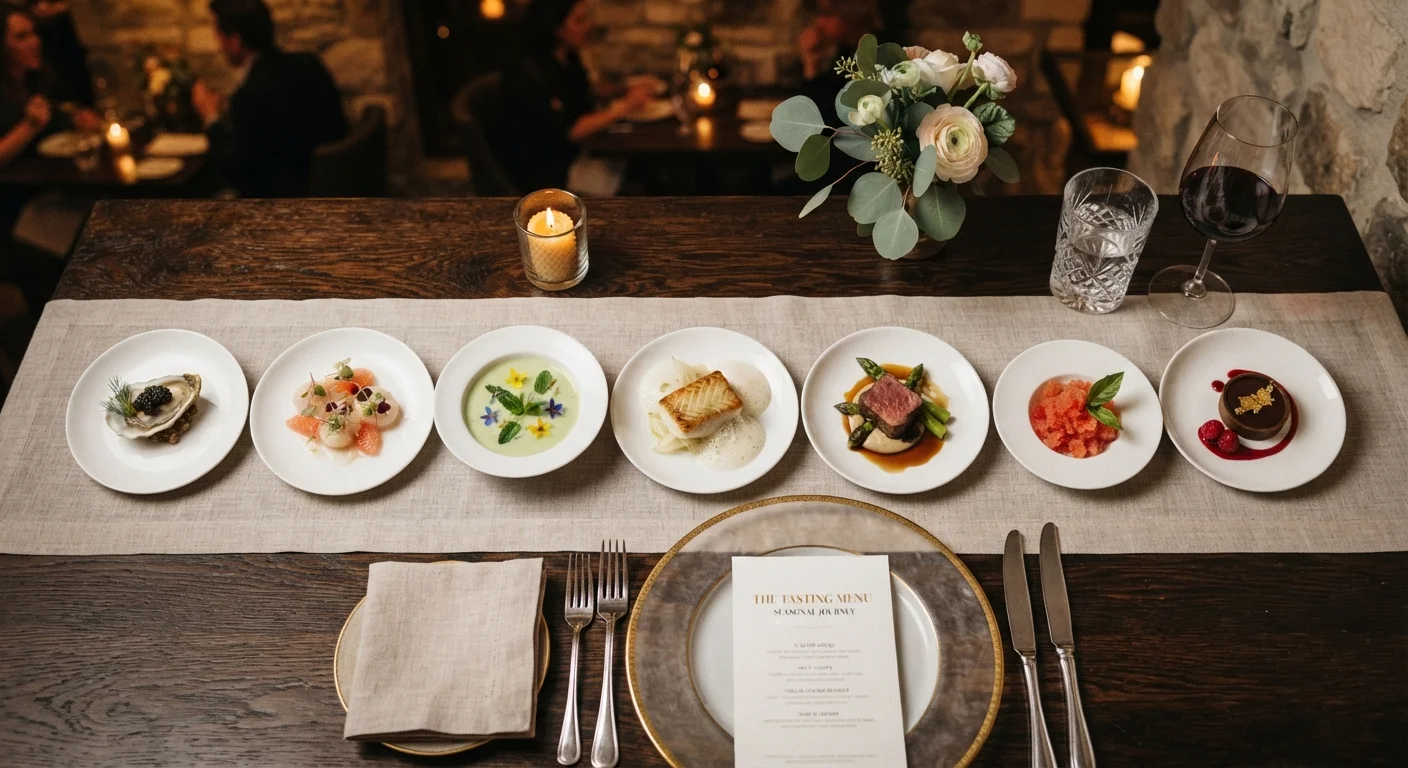
If you're interested in how restaurants structure broader multi-course experiences, our piece on how tasting menus work offers useful context for understanding the spectrum of dining formats.
Legal Restrictions and What They Mean for Guests
Happy hour is not universally available across the United States. State alcohol control boards set the rules, and those rules differ substantially.
Happy Hour Laws Vary Significantly by State
Some U.S. states - including Massachusetts and Alaska - have at various points restricted or outright banned traditional happy hour drink promotions. Others permit them with conditions, such as requiring food to be available or capping the discount depth. If you're visiting an unfamiliar city or state, don't assume the local rules match what you're used to at home. A quick check of the venue's website or a call ahead can save confusion.
In states where happy hour is permitted, there may still be restrictions on how it's promoted. Some states prohibit advertising specials on outdoor signs. Others require that discounted drink prices apply equally to all customers rather than being tied to a loyalty program or membership. A few jurisdictions cap how deeply drinks can be discounted or require that food be available whenever alcohol is sold.
The practical effect for guests: if you visit a venue in a state with restrictions, the promotions may look different - or may not exist at all. When traveling, it's worth checking locally rather than assuming the format you know from home will apply.
~8-10 states
U.S. states with notable happy hour restrictions
Various state alcohol control boards have historically limited or banned happy hour promotions; exact numbers shift as laws are revised.
3-7 p.m.
Most common happy hour window in the U.S.
Industry conventions generally place the promotion in the late afternoon, though individual venues set their own hours.
50%
Common maximum drink discount offered
Half-price drinks represent one of the most frequently advertised happy hour discounts at U.S. bars and restaurants.
What to Look for When Choosing a Happy Hour
Not every happy hour delivers equal value. A few things to evaluate before you commit to a venue:
- Check which items qualify. A venue advertising "happy hour specials" may discount only two or three items. Ask for the specific happy hour menu rather than assuming it applies broadly.
- Factor in food options. A strong food selection alongside drink discounts often represents better overall value than drinks alone - especially if you plan to stay through the dinner hour.
- Consider the atmosphere. Happy hour works best when the setting suits what you're looking for: a quiet spot for conversation, a lively bar scene, or an outdoor patio. The discounts matter, but so does the experience.
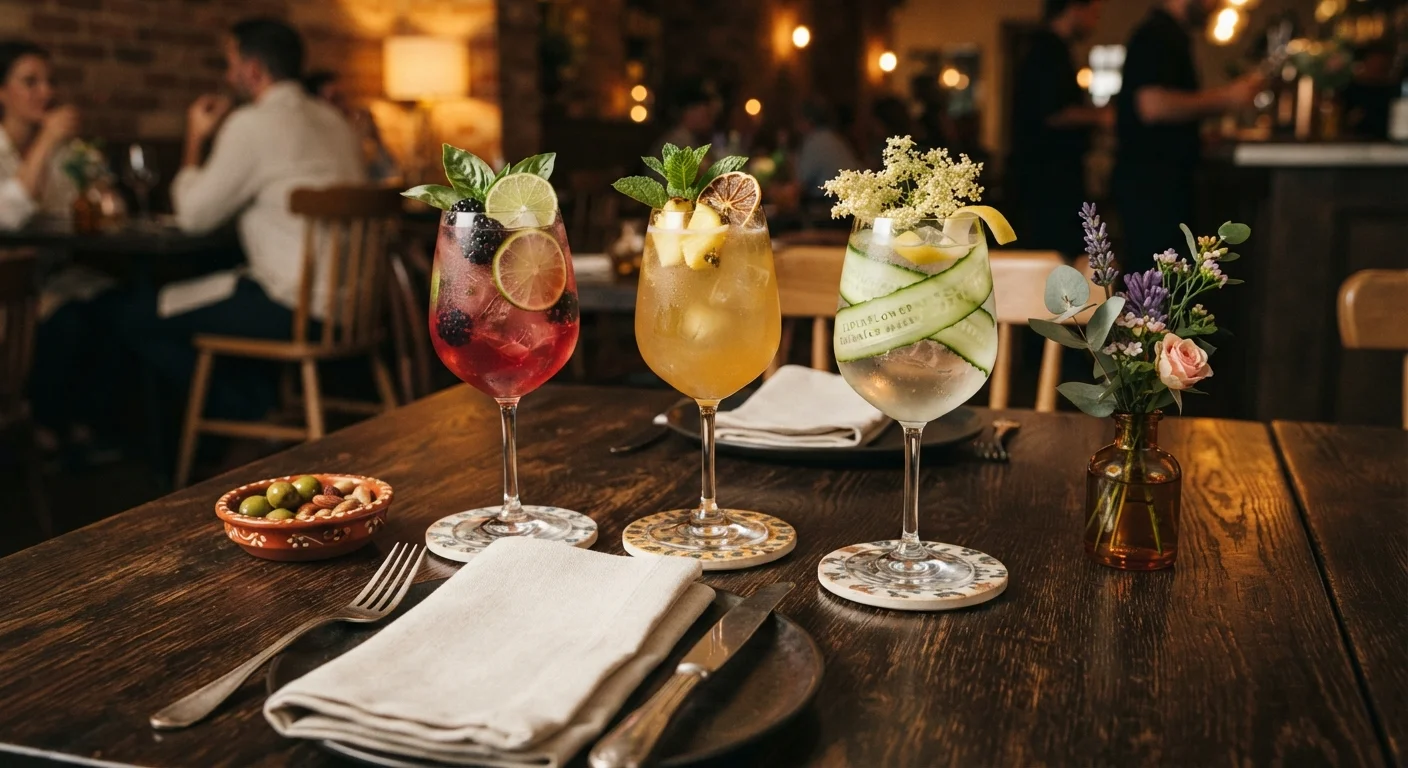
- Look at non-alcoholic options. Many venues are expanding their zero-proof menus. If you're not drinking alcohol, see whether the happy hour pricing extends to those options. Our article on non-alcoholic drink pairings explores how restaurants are approaching alcohol-free programming.
Happy hour is, at its best, a relaxed way to explore a venue's menu without the pressure of a full dinner commitment. Approaching it with a clear sense of what's included - and what isn't - makes the experience more enjoyable and the value more apparent.