Why Zero-Proof Pairings Are No Longer an Afterthought
For decades, restaurant beverage programs were built almost entirely around alcohol. Wine lists, cocktail menus, and beer selections received the investment, the training, and the menu real estate. Non-drinkers were largely handed a soda gun and a smile. That dynamic has changed considerably in recent years.
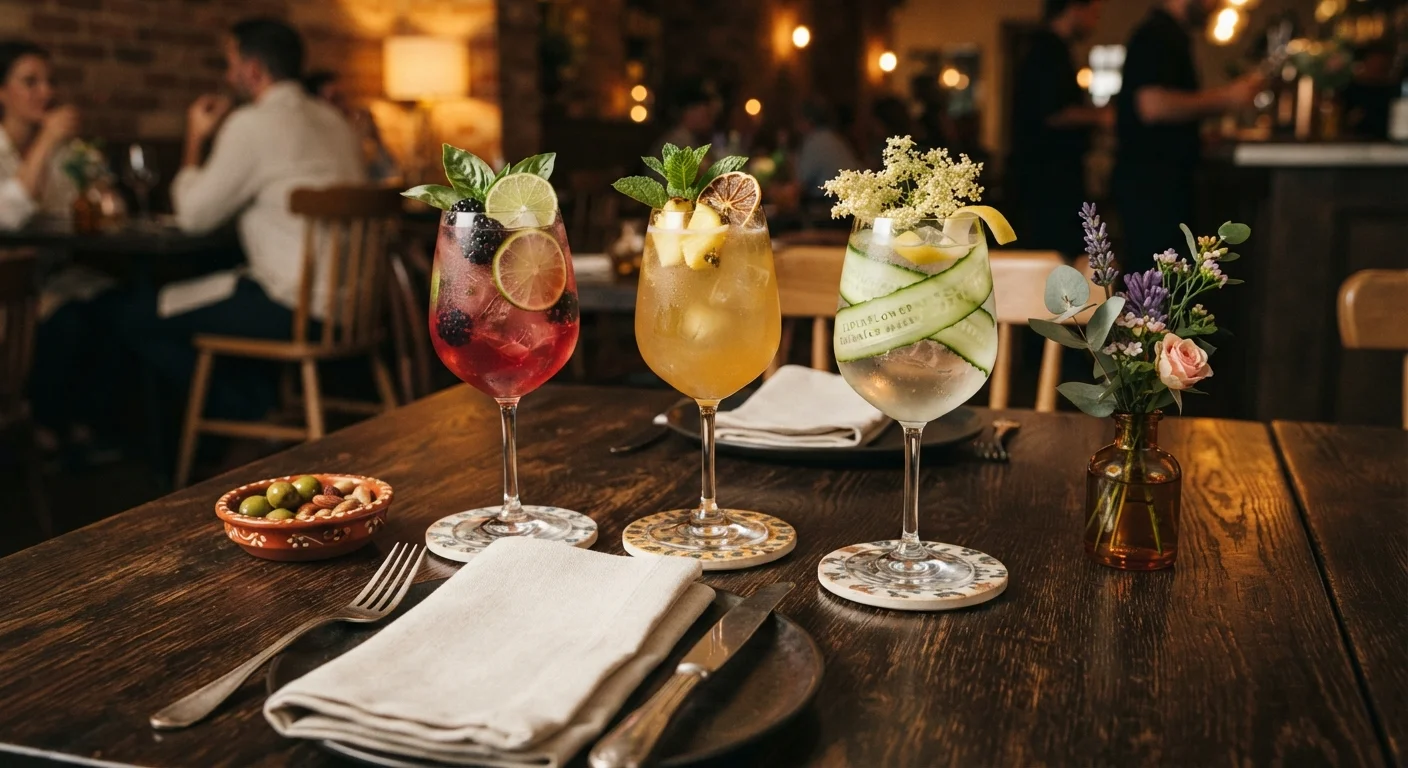
A confluence of factors - growing interest in alcohol-free lifestyles, a broader cultural shift toward mindful drinking, and a hospitality industry eager to serve every guest well - has pushed restaurants to treat zero-proof beverages as a genuine program rather than a placeholder. The result is a category that now includes house-fermented tepache, shrubs layered with wine-like complexity, adaptogen tonics, and cold-brewed botanical infusions built specifically to work alongside food.
If you've ever felt like the non-alcoholic section of a drinks menu was clearly written last, you may soon find the opposite. See also how wine lists are structured for context on just how much thought goes into traditional pairing menus - that same rigor is now arriving in the zero-proof space.
41%
US adults reducing or eliminating alcohol
A 2023 NielsenIQ report found that roughly 41% of U.S. adults said they were actively trying to reduce their alcohol consumption.
3x
Growth in non-alcoholic beverage sales
The non-alcoholic beer, wine, and spirits category tripled in U.S. retail sales between 2019 and 2023, according to data from IWSR Drinks Market Analysis.
The Flavor Logic Behind a Great Pairing
What makes a non-alcoholic pairing work is the same thing that makes wine pairings work: intentional contrast or harmony between the flavors in your glass and the flavors on your plate. A few core principles guide the approach.
- Acidity cuts richness. A shrub made with apple cider vinegar and ginger can do the same palate-cleansing work as a crisp white wine alongside a fatty dish.
- Bitterness balances sweetness. A lightly bitter cold-brew tea can bring a sweet glaze or caramelized component back into balance.
- Carbonation refreshes. Sparkling water infused with citrus or herbs acts as a reset between bold bites, much like a sparkling wine would.
- Sweetness soothes heat. A slightly sweet, chilled hibiscus agua fresca can temper the burn in spicy dishes.
Beverage directors who build these programs study these interactions carefully. The absence of alcohol doesn't remove the complexity - it simply shifts the focus to other flavor compounds. Understanding cocktail terminology can also give you useful vocabulary when exploring zero-proof options that mimic classic cocktail structures.
Ask About the Beverage Program Early
When you're seated, ask your server whether the restaurant has a dedicated non-alcoholic pairing or if the bar can suggest something to complement your food order. Raising it at the start of the meal - rather than waiting until you order each course - gives the team the best chance to prepare something thoughtful. Many restaurants are genuinely enthusiastic about these requests.
What to Expect When You Order a Pairing Menu
At restaurants that offer a formal zero-proof pairing menu alongside their tasting menu, the experience generally mirrors what a wine pairing offers: a different drink arrives with each course, chosen or crafted to work specifically with that dish. Your server or a sommelier may briefly describe each beverage and explain why it was paired with your food.
At restaurants without a formal pairing program, don't assume there's nothing available. Many bars can craft something thoughtful on request, and kitchen teams at chef-driven restaurants often collaborate with beverage staff to develop at least a few intentional non-alcoholic options. Asking early in the meal gives the team the best opportunity to serve you well.
Pricing for pairing menus varies widely. A five-course non-alcoholic pairing at a fine dining restaurant might run anywhere from $35 to $80 - considerably more than a single soft drink, but reflecting the craft and ingredient cost involved. For a broader look at how restaurants structure beverage pricing and special offerings, learn how drink pricing generally works at different types of establishments.
How to Navigate the Menu as a Guest
If you're curious about non-alcoholic pairings, a few simple habits will help you make the most of the experience. First, scan the full drinks menu - zero-proof sections are sometimes labeled as "Temperance," "Botanical," "N/A Pairings," or simply listed at the bottom of the beverage page without prominent placement. Second, ask your server directly. A simple, "Do you have any non-alcoholic options you'd pair with the tasting menu?" signals that you want something thoughtful, not just sparkling water.
If you're at a restaurant where you're making individual course choices rather than ordering a set menu, you can apply basic pairing intuition yourself: lighter dishes with delicate flavors (fish, salads, mild vegetables) tend to work well with lighter, more acidic drinks; heartier dishes (braised meats, umami-rich preparations) often benefit from something with more body or depth, like a cold-brew tea or a shrub with dark fruit notes.
For diners who already feel comfortable navigating wine and spirits menus, zero-proof pairings represent a natural extension of the same curiosity. And for those who are newer to the world of restaurant beverage culture, this is an accessible and low-stakes entry point. Ordering wine without overthinking it follows similar principles - knowing what questions to ask matters more than having all the answers in advance.
“The goal of a great beverage pairing has never really been about the alcohol - it's about how the drink changes the way you experience the food. Non-alcoholic beverages are fully capable of doing that work.”
— A leading beverage director at a James Beard Award-recognized restaurant group, Beverage Director, tasting menu restaurant