Why Wine Ordering Feels More Complicated Than It Is
For many diners, the moment the wine list arrives is when confidence quietly exits the table. There's a fear of mispronouncing a grape variety, ordering something embarrassingly cheap, or fumbling the tasting ritual in front of everyone. The reality is that most of this anxiety is self-imposed - restaurant staff want you to enjoy the experience, not to pass a knowledge test.
Wine is simply a beverage made to go with food and conversation. Approaching it that way - practically, not reverentially - makes the whole process easier. The questions worth asking your server apply here too: a brief, honest exchange about what you like can replace minutes of menu-staring.
Lead With What You Already Drink
If you enjoy a particular cocktail, spirit, or even a flavor profile - citrusy, sweet, bitter, rich - share that with your server or sommelier. Most wine professionals are skilled at translating general taste preferences into a specific recommendation. You don't need wine vocabulary to have a useful conversation.
The steps below walk you through the process from the moment the list lands on your table to the first proper pour - using plain language and no assumed expertise.
What you will need
Step-by-Step: Ordering Wine Without the Stress
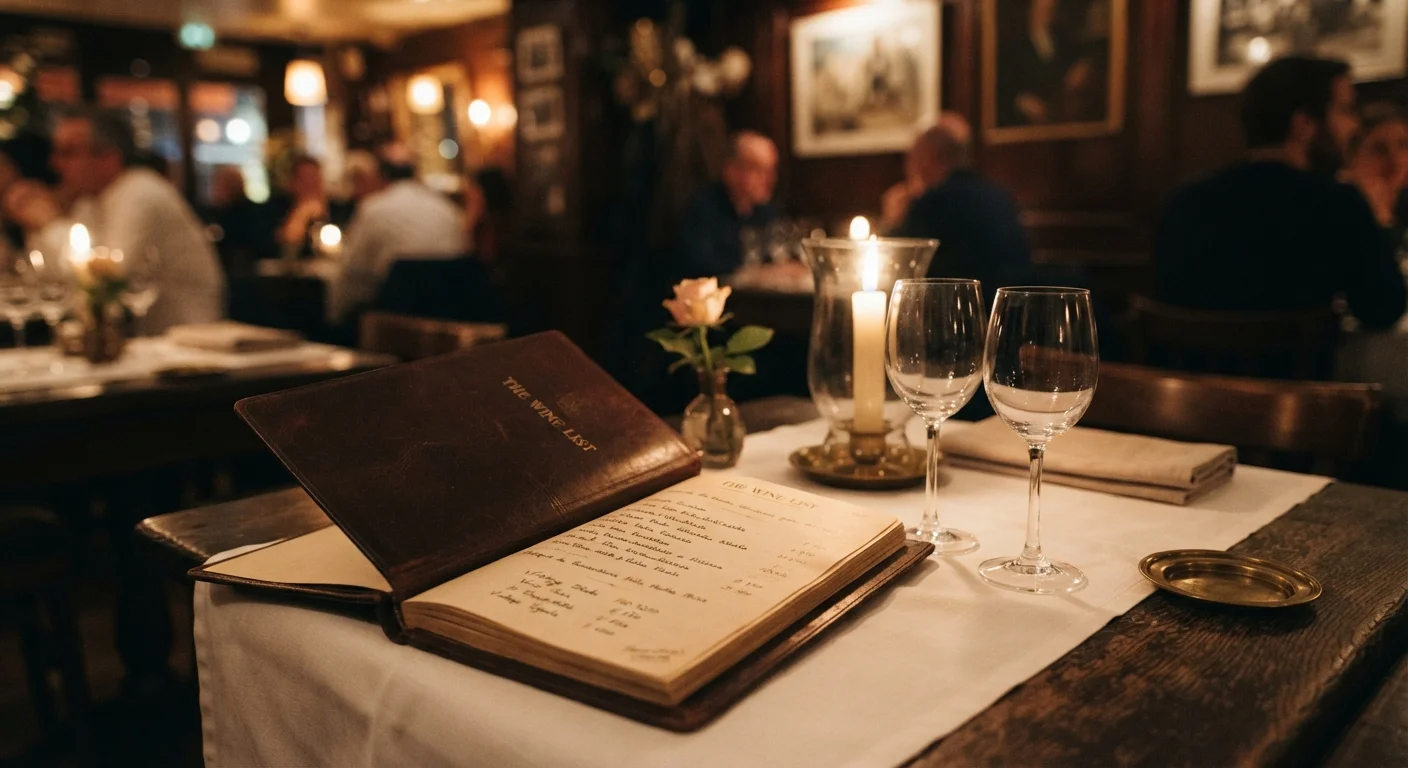
The Wine List
Your primary menu for browsing available wines by glass, bottle, region, or grape variety.
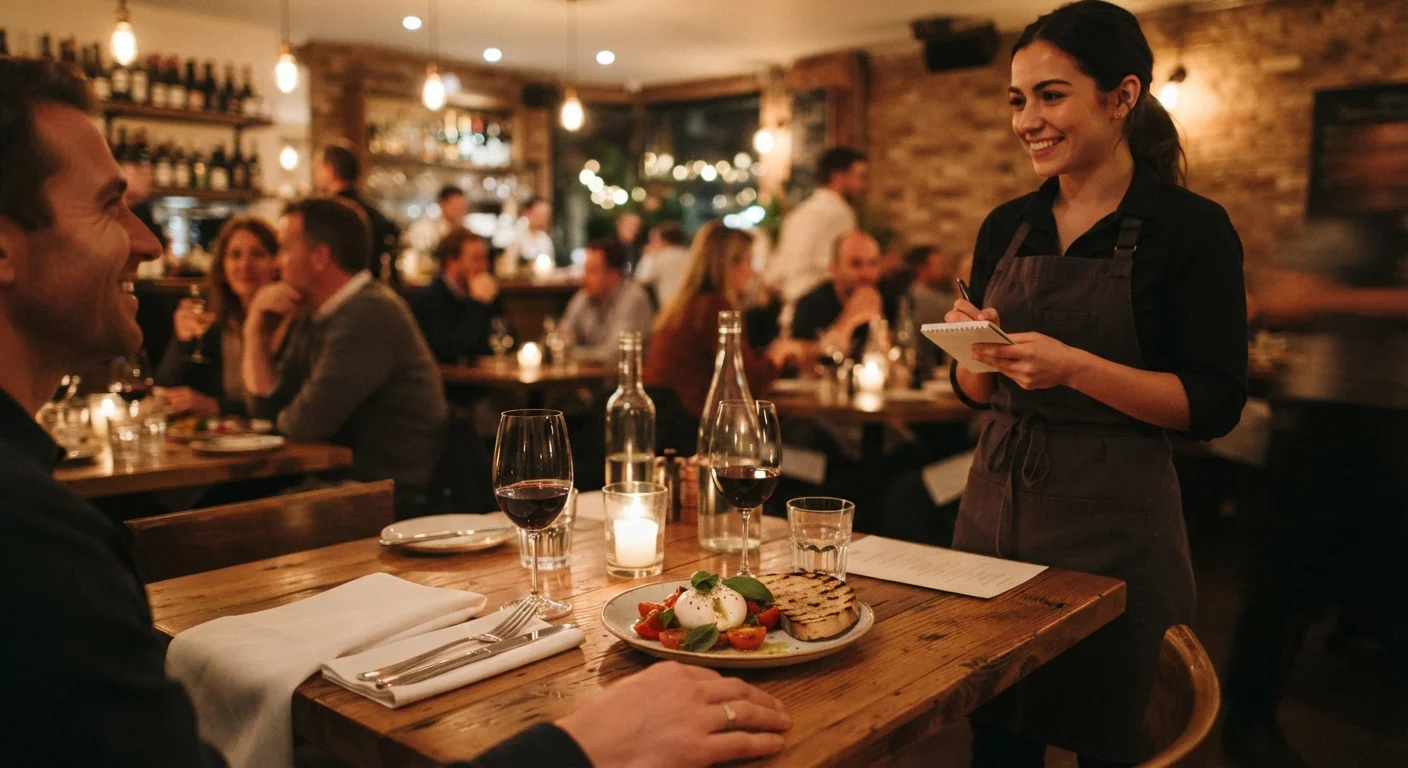
Your Server or Sommelier
The most underused resource at any table - ask them about house selections, food pairings, or value picks.
Knowledge of Your Food Order (or Direction)
Knowing what you plan to eat - even the general flavor profile - helps narrow wine choices considerably.
Set a Budget Before You Open the List
Before scanning a single label, decide roughly how much you're comfortable spending on a bottle or glass. Wine lists are typically organized by price, and having a range in mind prevents the common trap of defaulting to the second-cheapest option out of awkwardness. On a list, that second-from-the-bottom bottle is often where restaurants place their highest markup. Mid-range selections frequently offer better value.
If ordering by the glass, consider that most restaurants price each glass at roughly a quarter of the bottle price, so you can estimate accordingly.
Describe What You Like, Not What You Know
You don't need to name drop regions or vintages. Instead, tell your server what you generally enjoy: something dry and light, something rich and full-bodied, something fruity without being sweet. Even saying 'I usually drink Chardonnay but find it sometimes too buttery' gives a skilled server enough to work with.
If you're unsure, describing what you're eating goes a long way. Grilled fish, a lean steak, a rich pasta - these all point toward natural wine companions, and your server can make the connection for you.
Use the Wine List as a Filter, Not a Test
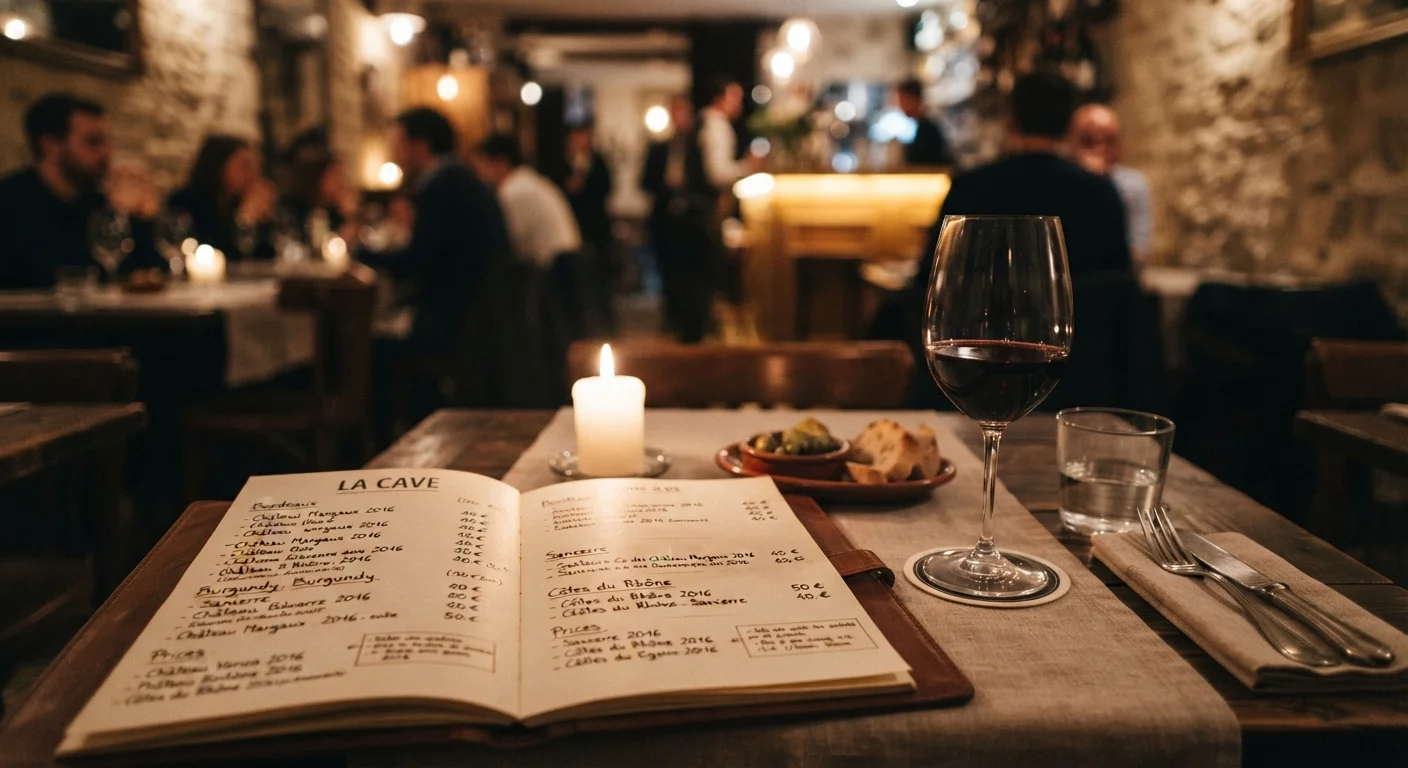
Wine lists can feel intimidating, but treat them as a filter rather than an exam. Most lists are organized by color first (white, red, rosé, sparkling), then by region or grape. Pick a color that suits your mood and meal, then look for a price that fits your range. If the list includes tasting notes, scan for descriptors that match your preferences - 'bright acidity,' 'earthy,' 'stone fruit,' 'oak-aged.'
For a deeper look at how wine lists are structured, see The Language of a Wine List for a breakdown of common terminology.
Handle the Tasting Ritual Calmly
When your bottle arrives, the server will pour a small amount for the person who ordered it. Swirl gently, take a sniff, and sip. You're checking for two things: does it smell clean (not musty or vinegary?), and does it taste like wine rather than something gone wrong? If it passes that simple check, nod and let them pour for the table.
If something seems off - a sharp, musty smell often described as 'corked,' or a flat, oxidized flavor - it's reasonable to mention it quietly to the server. They won't take offense; a flawed bottle is a production issue, not a matter of taste.
Pair Loosely, Drink What You Enjoy
Classic wine and food pairing guidelines - white with fish, red with red meat, sparkling with fried food - exist because they generally work well, but they're principles, not rules. The most important thing is that you enjoy what's in your glass. A light Pinot Noir with salmon, or a full-bodied white Burgundy with a rich chicken dish, can be just as satisfying as any textbook pairing.
If you're curious about non-alcoholic alternatives, zero-proof pairings at restaurants have become a genuinely interesting option worth exploring.
The Tasting Sip Isn't About Approval
When a server pours a small amount for you to taste before filling the glass, they're asking you to confirm the wine isn't corked, oxidized, or otherwise flawed - not whether you personally enjoy the style. Sending a wine back is appropriate only if something smells or tastes clearly off (musty, vinegary, flat). If you simply don't love it, that's useful feedback, but not a return.
Once you've ordered and the bottle or glass is in hand, the rest of the evening takes care of itself. If you're attending a longer or more formal meal and want to understand what's coming course by course, tasting menus decoded is a useful read. And if you're considering what to order after dinner, after-dinner drinks explained covers digestifs and spirits in the same practical spirit as this guide.
Don't Judge a Wine List by Its Length
A longer wine list doesn't guarantee better options or value. Restaurants with shorter, curated lists often have a more thoughtful selection that's been chosen to complement the food. Focus on what pairs with your meal and fits your budget rather than feeling pressure to navigate every page.