Why the After-Dinner Menu Feels So Unfamiliar
You've made it through the meal, the server sets down a small leather-bound card, and suddenly you're staring at names like Fernet-Branca, Calvados, and Bénédictine. After-dinner drink menus pull from centuries of European tradition and dozens of production styles - which is why they tend to confuse even confident diners. The good news: once you understand how the main categories work, most menus become easy to navigate.
The drinks on these menus fall into three broad families: spirits (distilled base liquors), liqueurs (sweetened, flavored spirits), and digestifs (a functional category that overlaps both). Understanding where a drink lands tells you a lot about what it will taste like and why it's being served after food rather than before or during.
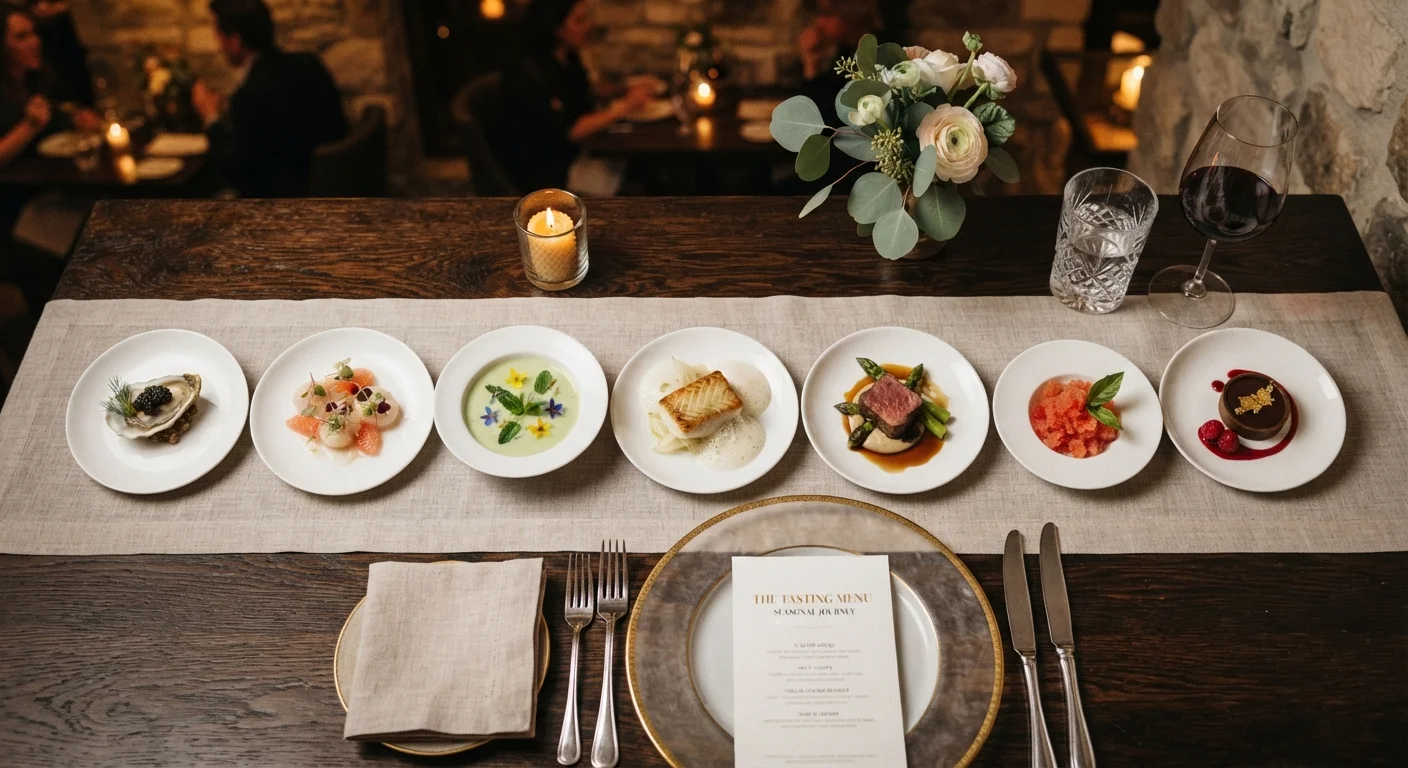
For broader context on how a restaurant structures a full evening's beverages, see our guide to tasting menus.
| Typical after-dinner spirit ABV | 35-60% (General industry standard) |
| Typical liqueur ABV | 15-30% (General industry standard) |
| Cognac aging designations | VS (2+ yrs), VSOP (4+ yrs), XO (10+ yrs) (Bureau National Interprofessionnel du Cognac (BNIC)) |
| Country of origin - amaro | Italy (category); global producers now exist |
| Port wine styles | Ruby, Tawny, Vintage, LBV, White, Rosé (Instituto dos Vinhos do Douro e do Porto (IVDP)) |
| Serving temperature - most digestifs | Room temperature or slightly cool; rarely iced (General sommelier guidance) |
Spirits: The Distilled Foundation
A spirit is any beverage produced by fermenting a sugar source and then distilling it to concentrate the alcohol. No sugar is added after distillation in a true spirit, which is why most spirits taste dry. The main after-dinner spirits you'll encounter fall into a few families:
- Cognac and Armagnac - French brandies distilled from wine grapes and aged in oak. Cognac, from the Charente region, tends to be smoother and more polished; Armagnac, from Gascony, is often earthier and more rustic. Both are typically served in a wide-bottomed snifter.
- Single malt Scotch whisky - Distilled from malted barley at a single distillery in Scotland. Regional character varies widely: coastal and island expressions often carry smoke and brine, while Speyside malts lean toward fruit and honey.
- Calvados - Apple brandy from Normandy, France. It has the warming structure of cognac with distinctly fruity, orchard character.
- Grappa - An Italian pomace brandy made from the grape skins, seeds, and stems left over after winemaking. Young grappa is fiery and assertive; aged versions soften considerably.
Spirit
A distilled alcoholic beverage made by fermenting a sugar source and concentrating the alcohol through distillation. Spirits are unsweetened unless a liqueur is made from them.
Liqueur
A spirit that has been sweetened and flavored with fruits, herbs, spices, nuts, or cream. Most liqueurs are lower in alcohol than straight spirits and taste noticeably sweet.
Digestif
Any drink - spirit, liqueur, fortified wine, or other - consumed after a meal, often chosen for its perceived settling effect on digestion or as a pleasant close to the dining experience.
Amaro
An Italian category of herbal liqueur characterized by bitterness alongside sweetness. Recipes vary widely, ranging from lightly bitter and citrusy to intensely medicinal.
Brandy
A spirit distilled from fermented fruit juice, most commonly grapes. Cognac, Armagnac, and Calvados are all brandies distinguished by geography and the fruit used.
Pomace Brandy
A spirit distilled from the grape solids (skins, seeds, stems) left after winemaking. Grappa from Italy and marc from France are the most common examples.
Fortified Wine
A wine to which a distilled spirit (usually brandy) has been added to raise the alcohol content and stabilize the wine. Port, Sherry, and Madeira are prominent examples.
Snifter
A wide-bottomed, narrow-topped glass commonly used for brandy and aged spirits. The shape concentrates aromas toward the nose while the wide bowl allows the drink to be warmed by the hand.
Liqueurs: Sweetened and Flavored
A liqueur is a spirit that has been sweetened and flavored with fruits, herbs, spices, nuts, cream, or other botanicals. Most liqueurs clock in at lower alcohol levels than straight spirits and carry an obvious sweetness, making them approachable for guests who prefer something less austere.
Common categories include:
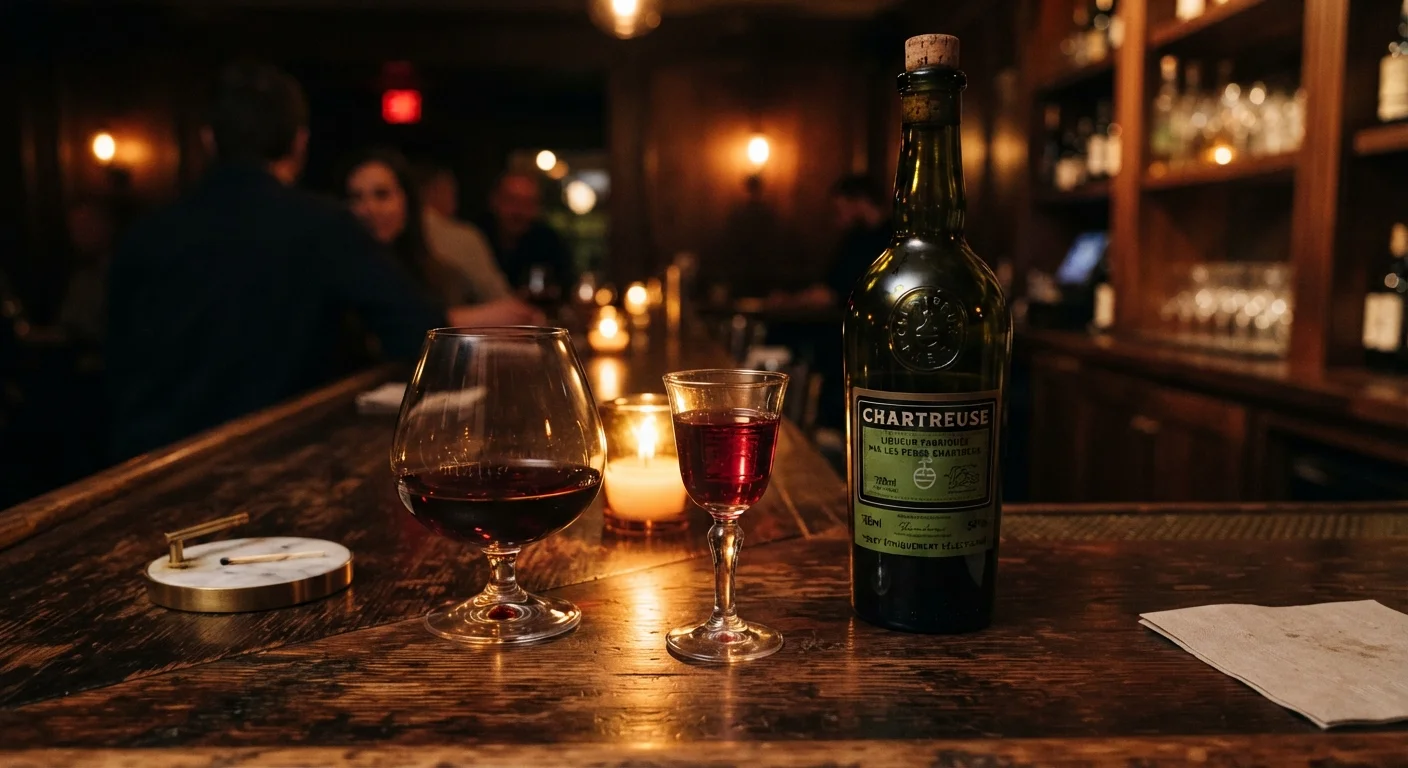
- Herbal and botanical liqueurs - Products like Chartreuse, Bénédictine, and Strega are built on complex formulas of herbs and spices. They range from intensely medicinal to pleasantly bittersweet.
- Nut and coffee liqueurs - Amaretto (almond-flavored), Frangelico (hazelnut), and various coffee liqueurs offer rich, dessert-like flavors that pair well with chocolate or simply with ice cream.
- Fruit liqueurs - Cointreau and Grand Marnier are orange liqueurs; Chambord is raspberry-based. These tend to be bright and sweet, sometimes used as a lighter digestif option.
- Cream liqueurs - Made with dairy cream blended into a spirit base, these are the mildest and most dessert-adjacent option on most menus.
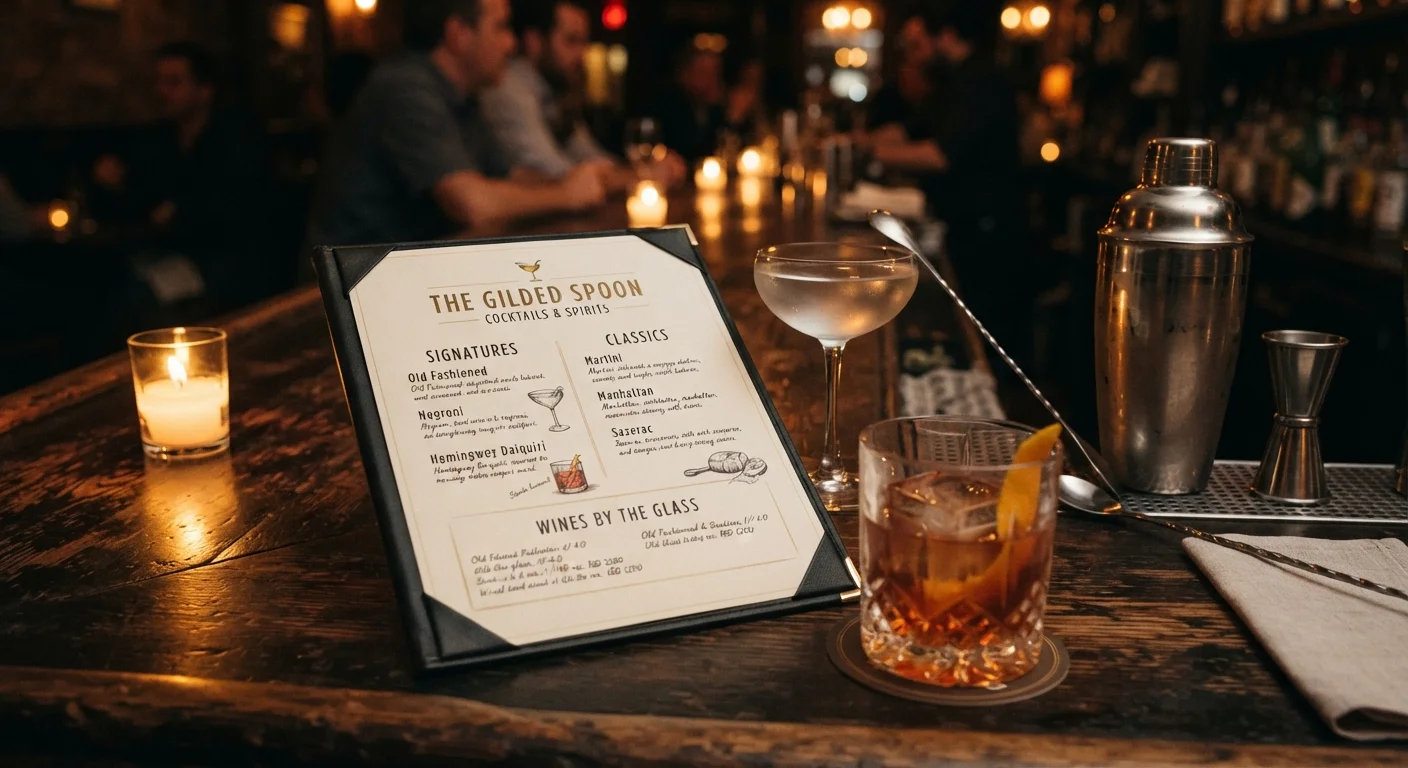
If you're already familiar with how liqueur names appear on cocktail menus, our cocktail menu terminology guide covers the overlap in detail.
Digestifs: A Functional Category
A digestif (pronounced dih-ZHES-tif) isn't a distinct liquid category - it's a purpose-driven one. Any drink consumed after a meal with the intent of aiding digestion or rounding out the dining experience qualifies. Cognac, amaro, port, and even certain beers can all serve as digestifs depending on context.
The most discussed digestif in recent years is amaro (plural: amari), an Italian category of bitter herbal liqueur. Amaro ranges from lightly bitter and citrus-forward (Aperol, Campari) to intensely bitter and medicinal (Fernet-Branca, Averna). The bitterness is central to the digestif function: bitter compounds are thought to stimulate digestive enzyme activity, though the science on specific health benefits remains limited and inconclusive. Enjoy amaro for the flavor first.
A Note on Digestifs and Digestion Claims
You'll often hear that bitter digestifs 'help digestion.' Bitter compounds do stimulate saliva and gastric secretions, which may ease digestion at the margins - but there's no strong clinical evidence that a post-meal amaro meaningfully improves digestive health. Enjoy these drinks for their complexity and flavor rather than as a wellness remedy. If you have ongoing digestive concerns, speak with a healthcare professional.
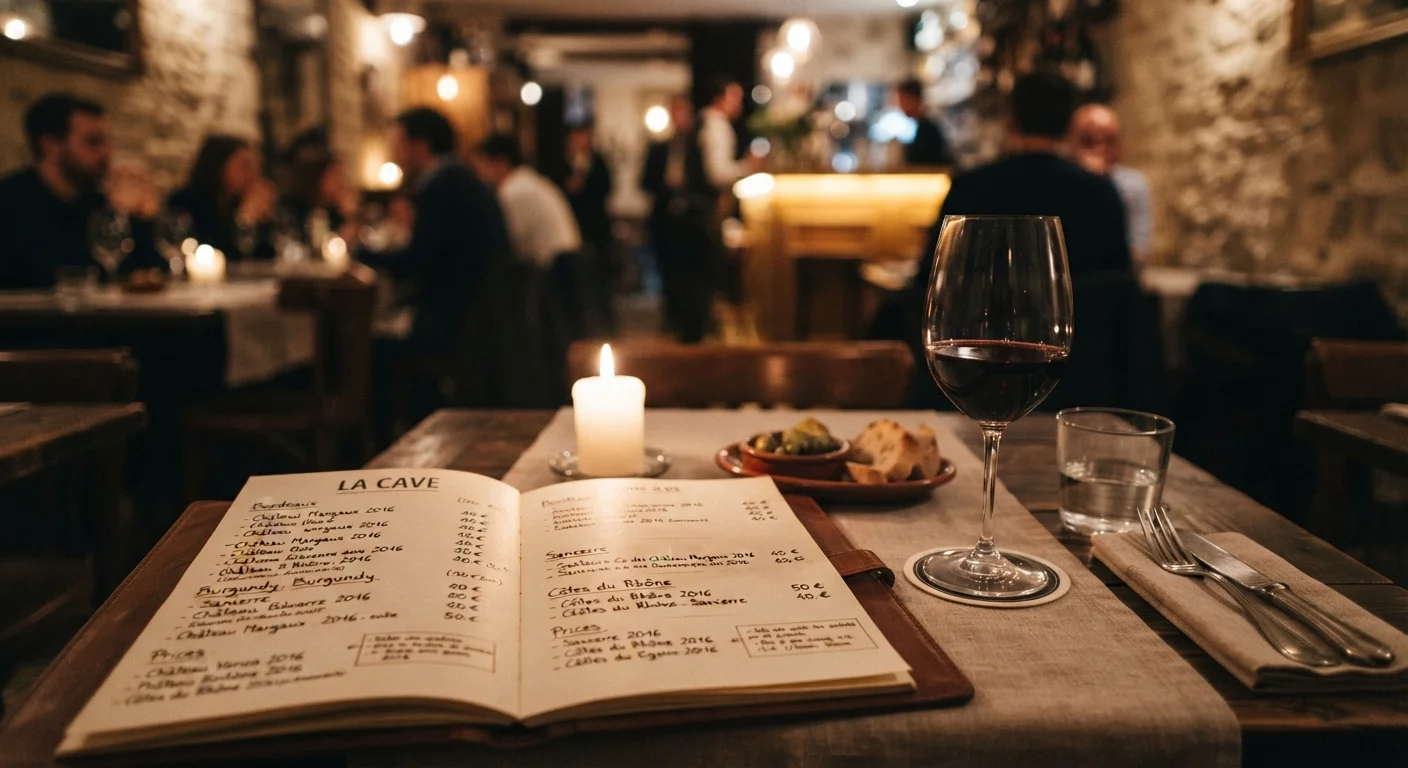
Port and dessert wines also appear on many after-dinner menus and straddle the line between wine and digestif. A tawny port - aged in small barrels until it develops nutty, caramel character - is a classic pairing with nuts and aged cheese. For readers exploring the wine side of things, our restaurant wine ordering guide is a useful companion.
If you're skipping alcohol entirely, after-dinner options have expanded significantly. See how restaurants are approaching zero-proof programs for what to expect.
400+
Documented amaro producers worldwide
The category has expanded well beyond Italy, with craft amaro producers now operating across the United States and Europe.
10+ years
Minimum age for XO Cognac
The Bureau National Interprofessionnel du Cognac sets minimum aging standards for each designation - XO was raised to ten years in 2018.