The Core Structural Difference
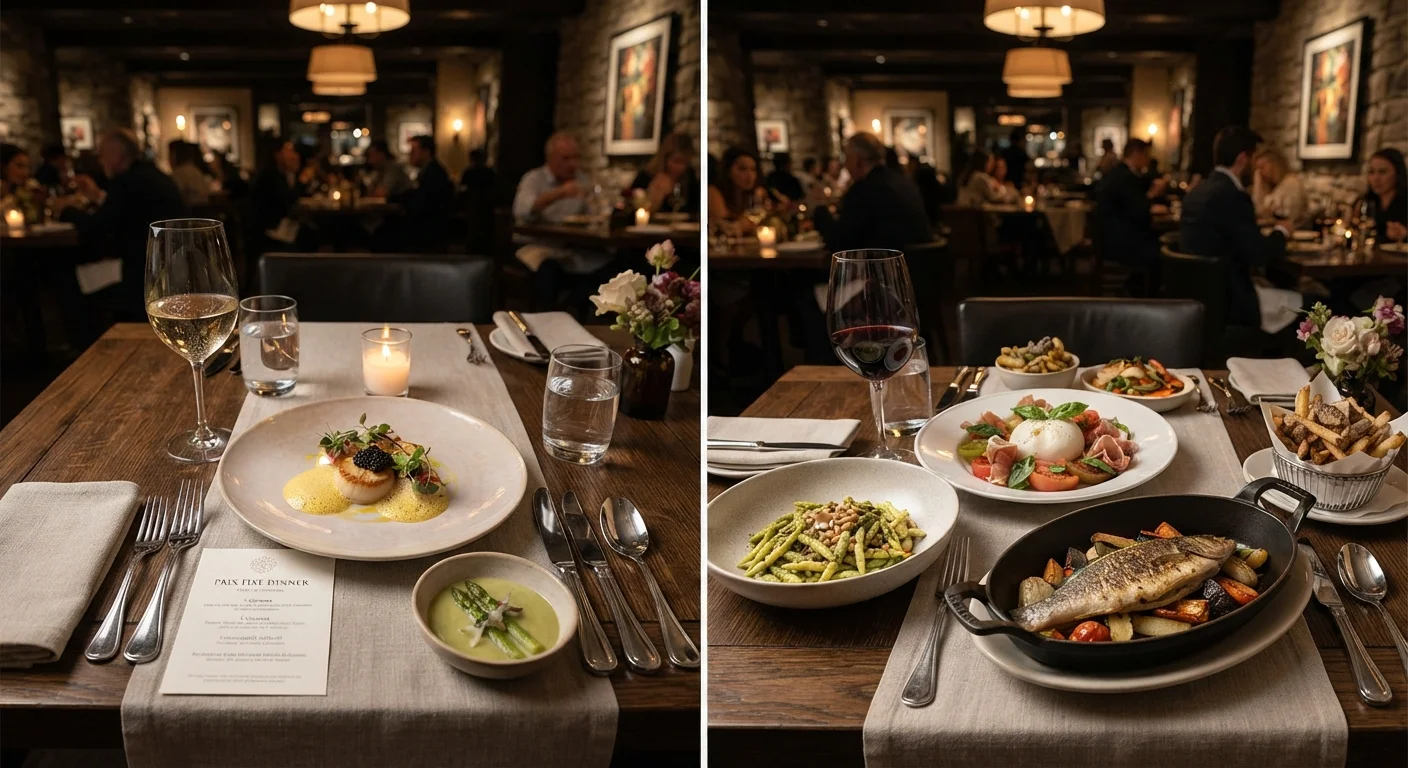
Prix fixe (pronounced "pree feks," French for "fixed price") is a menu format where the restaurant sets a predetermined sequence of courses - typically three to five - bundled under a single price. You may be offered limited choices within each course, but the framework is established by the kitchen. À la carte (French for "according to the menu") is the more familiar format in American dining: each item is priced and ordered individually, and you compose your meal exactly as you see fit.
These aren't just pricing differences - they reflect two entirely different philosophies about who controls the dining experience. Prix fixe puts the chef in the driver's seat; à la carte puts you there. That distinction shapes everything from pacing and portion size to how much you'll spend and how long you'll linger at the table.
For a deeper look at how fixed versus variable cost structures parallel one another beyond the restaurant, see our article on fixed vs. variable expenses.
What Prix Fixe Actually Feels Like
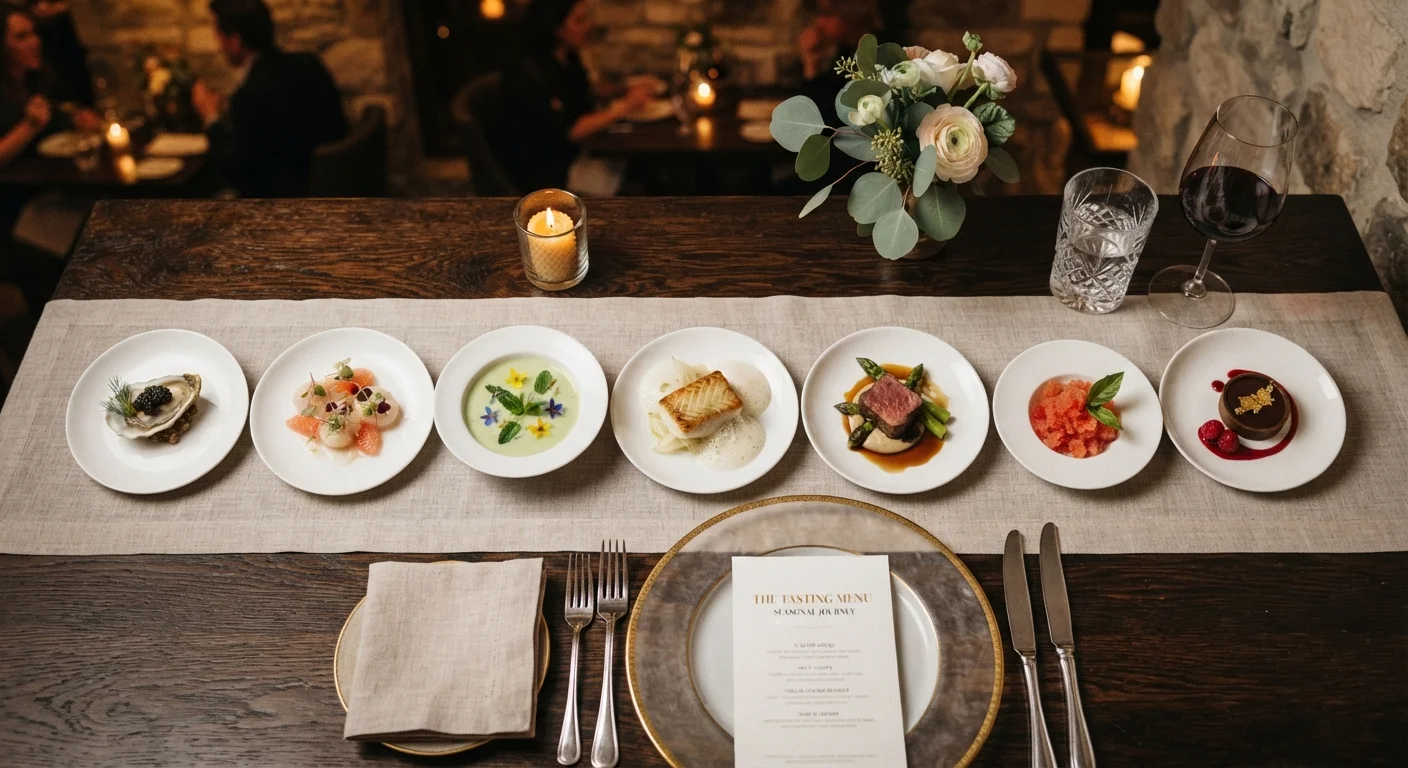
Sitting down to a prix fixe meal feels structured in a way that most American casual dining simply isn't. Courses arrive in a set order - often starting with an amuse-bouche or appetizer, moving through a main, and ending with dessert - and the kitchen controls the timing between them. There's an intentional rhythm to it.
This format is closely associated with fine dining and special occasions because it allows a chef to tell a coherent culinary story across the meal. The dishes are often designed to build on each other in flavor, texture, and weight. It's the same governing logic behind tasting menus, which are an extended variation of the same principle.
Prix fixe also simplifies your decisions at the table - sometimes meaningfully so. Rather than scanning a long menu, you're choosing among a handful of options per course, or simply receiving what the chef has planned. For groups celebrating together, this synchronized structure means everyone eats at roughly the same pace, which supports conversation and connection.
Ask About Substitutions Before You Commit
Many prix fixe menus accommodate common dietary restrictions - vegetarian swaps, nut-free preparations, or dairy-free alternatives - but kitchens need advance notice. When you call to reserve or when you're seated, mention any restrictions immediately. Waiting until the course arrives gives the kitchen little room to adjust, and you may end up with a less thoughtfully prepared substitution than you would have gotten with a heads-up.
What À La Carte Actually Feels Like
À la carte dining is what most Americans do most of the time, often without naming it. You open the menu, choose a starter if you want one, pick an entrée, maybe add a side, and decide on dessert only if you're still hungry. The kitchen responds to what you order rather than guiding a sequence.
This format rewards selective eaters. Someone avoiding gluten, watching portions, or simply not in the mood for multiple courses can calibrate accordingly. The tradeoff is that the total bill is less predictable - appetizers, sides, and drinks add up incrementally in ways that are easy to underestimate.
À la carte menus also vary widely in scope. A casual neighborhood restaurant might offer ten items; an upscale steakhouse might offer an extensive menu where mains, sides, and sauces are all priced and ordered separately. If you're dining solo, à la carte tends to feel more natural and less formally paced - something worth considering if you're dining alone.
| Prix Fixe | À La Carte | |
|---|---|---|
| Pricing structure | Single bundled price for all courses | Each item priced and billed separately |
| Menu control | Chef sets the sequence and selection | Diner builds their own meal |
| Meal pacing | Kitchen-controlled, synchronized courses | Flexible, diner-driven pace |
| Dietary flexibility | Limited; accommodations may be available | High; skip or substitute freely |
| Best occasion | Special events, celebratory dinners | Casual meals, everyday dining |
| Budget predictability | Highly predictable upfront | Variable; depends on selections |
| Group experience | Synchronized, communal feel | Each person orders independently |
How to Decide Which Format Fits Your Plans
The decision often comes down to four factors: occasion, group dynamics, dietary needs, and budget clarity. Prix fixe tends to justify itself for milestone dinners, romantic evenings, or when you genuinely want to surrender to a chef's vision for a few hours. It's also worth noting that prix fixe pricing can occasionally represent better value per dish than ordering à la carte equivalents individually - though this depends entirely on the restaurant.
À la carte suits everyday dining, mixed-appetite groups, or situations where one person wants just a main and another wants a full spread. It also works better when the menu is the discovery - part of the pleasure is browsing, weighing options, and asking your server questions before committing. Knowing what to ask your server before ordering matters more on a large à la carte menu than a focused prix fixe one.
Some restaurants offer both formats simultaneously - a prix fixe option alongside full à la carte ordering - so it's worth scanning the full menu before defaulting to one mode. When in doubt, ask your server which format the kitchen is built around that evening. Their answer will tell you a great deal about how the meal is meant to unfold.
Prix Fixe Cancellation Policies Vary
Some prix fixe restaurants, particularly those requiring reservations, charge a per-person fee if you cancel within a short window - sometimes even before you arrive. This is increasingly common at tasting-menu-style establishments where ingredients are ordered specifically for your booking. Always check the reservation terms before you confirm, especially for large groups or high-cost dinners where the stakes are higher.